How the Streaming Era Has Shifted Listening Habits, Finding New Music
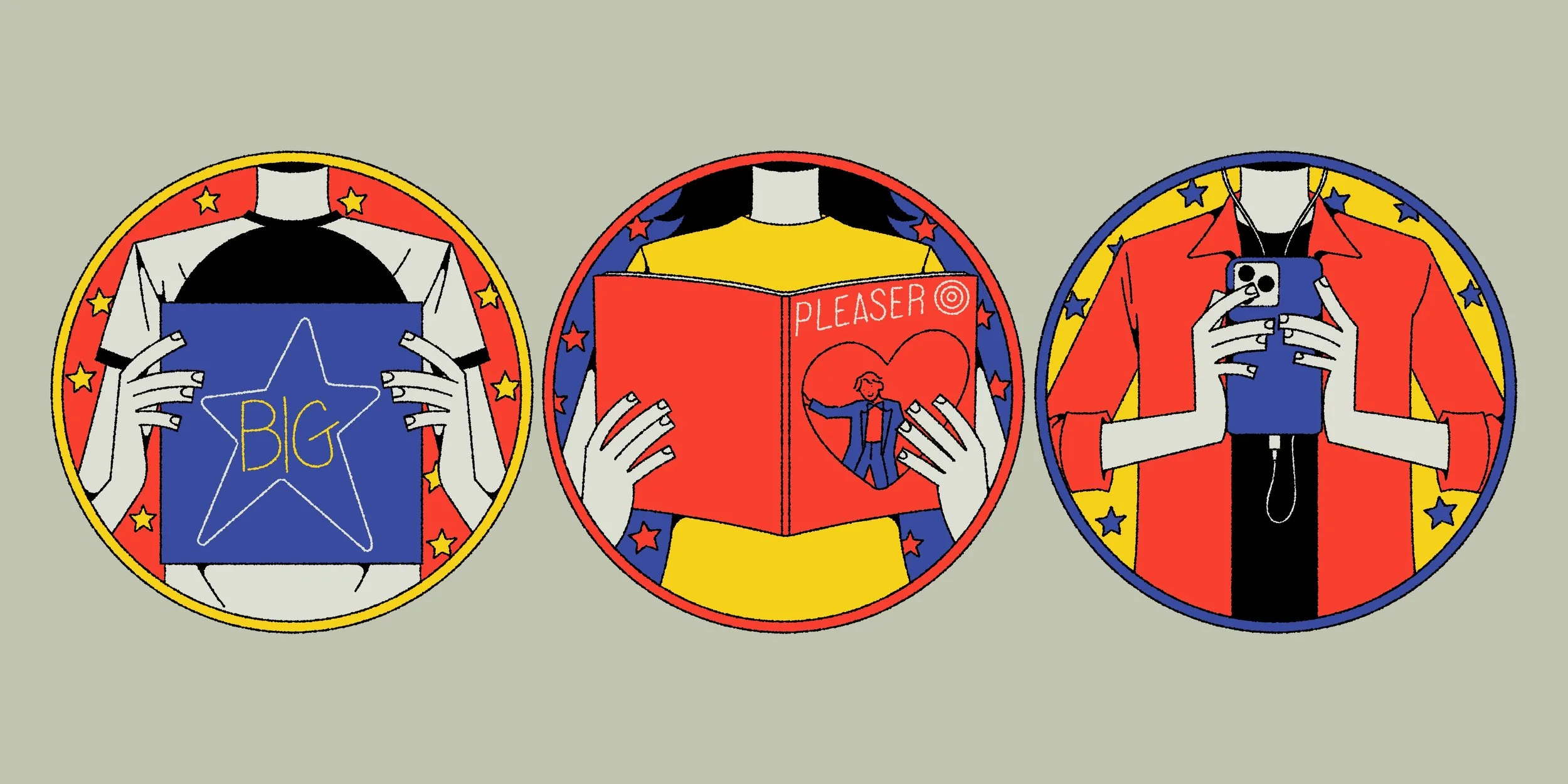
Illustration by Shamma O.
In the grand scheme of human history and its relationship with music, the introduction of streaming and algorithms are fairly recent, but its impacts have already influenced how the industry holds itself and shapes the future of up-and-coming and major artists.
Looking back into the decades just before streaming, like the 80s and 90s, music was found through music magazines, posters around town, shows advertised on the radio, record store employees and through friends.
On newer platforms like Spotify, there are constantly new innovations on how the app personalizes playlists and songs. There is an AI DJ that can play music based on someone’s listening history, and mixes can be generated using a person’s algorithm. Spotify itself also creates playlists that can determine which artists get heard and which ones don’t.
In an era of streaming, algorithms and pre-made playlists, how has organically finding new music changed, and is it even possible to truly find new music organically in an era where what we listen to online is predetermined by a larger company?
To see how 20-somethings find new music, I sent out an informal poll, and received 14 responses. Within the poll, respondents often gave multiple options for how they find new music, which is shown in the results.
Ten said they found new music through streaming – whether through playlists, suggested tracks or similar artists.
Six said they found music through friends or through music being played in the car.
Seven people found music through social media.
One person said they found new music through the opening acts of other concerts or through festival lineups
One person said they used YouTube playlists.
One person said they read interviews of their favorite artists and found new music through their favorite artists’ inspirations.
The one who said they read interviews to find who their favorite artist likes is 25-year old Adam Ledger. He said he read an interview from MJ Lenderman who mentioned Smog as an inspiration. Because of that, he checked out Smog, and said he’s been listening to them frequently ever since.
Because he doesn’t have social media, he said he reads papers from “top to bottom” and uses interviews as a way to find new music and understand the music he likes on a deeper level.
“I read somewhere that Bob Dylan read The Count of Monte Cristo so I went and read it, and then that’s allowed me to understand the song I Shall Be Released even more,” he said. “But from a musical perspective, sticking with MJ Lenderman, it is partially wanting to decode what’s so special about them but also because I trust their taste. If I like what they’re making themselves, chances are I’ll like what they like too.”
Alternatively, freelance entertainment journalist Ally Bonsall said she usually uses social media like TikTok and Instagram as a way to find new music.
“I’d say in the past six years since TikTok became a thing, that’s how I started discovering music and new artists,” she said.
She said she’s discovered Maggie Rogers, Olivia Dean, Sydney Rose and even old Fleetwood Mac songs after going viral, being in edits or playing over other videos.
“Sydney Rose had a huge song blow up a year ago and I wouldn’t have heard it or known her without it blowing up on socials,” she said.
Based on the results of my small, informal poll, even though streaming is the predominant way young people might find music, there also seems to be some evolution to discovering it as well.
Since the creation of social media, people have used it beyond sharing details about their life. In the early 2000s, artists like Justin Bieber, Adele, Troye Sivan and Colbie Callet, became popular because of posting on platforms like MySpace or YouTube. Even though current social media might look more like TikTok and Instagram, and there are algorithms that determine what genre of music is pushed to a user, there are multiple instances of artists and bands using social media to become popular and break into the mainstream – like Dexter and the Moonrocks.
There are some debates on whether or not some of these artists are industry plants, but there are also people who just happened to find them while scrolling one day, and liked the music enough to check out the profile and maybe their streaming platforms.
—
I think organically finding new music now takes more effort from music lovers, and as streaming becomes more prevalent, it will be up to the listener to consciously decide to find new music outside of streaming recommendations.
Although a lot of “older” music finding practices remain in place, some are more accessible than others, especially if there are no record stores or a big local music scene.
Even if there are issues with streaming (like how much artists get paid, platforms using AI artists and playlist generation) it is the most easily accessible way to get music, podcasts, books and can be a free way for someone to do that if they don’t have the means or access to these other ways to get music.
Streaming connects fans and musicians, and as the industry evolves, I think conversations should happen that ask the questions: how do we make streaming more ethical, or how do music magazines, local shows and record stores become more accessible to everyone?
Whether through talking with your friends about music, or songs played in the car, sharing music with those you love can be a form of love in itself and can bring people closer together or showcase a new side of a person you didn’t know existed.
I think ultimately, it is up to fans and community (as with most things in the music industry) to champion physical media, to buy magazines with artists they care about, to go to the local band’s house show and to go see an artist suggested by a friend at a festival.
Through this balance, the more “old school” way of sourcing new music can still be sustained in the streaming era, where numbers can determine the scale of an artist's career. The symbiotic relationship between fans and artists in this era is more important than ever, to show companies like Spotify or Apple Music that fans are still the gatekeepers of what’s popular. That listening habits cannot be determined by who does or does not get on a predetermined playlist, or what the algorithm thinks someone will like.