Bucko: Meet the Underdogs of Alt-Country
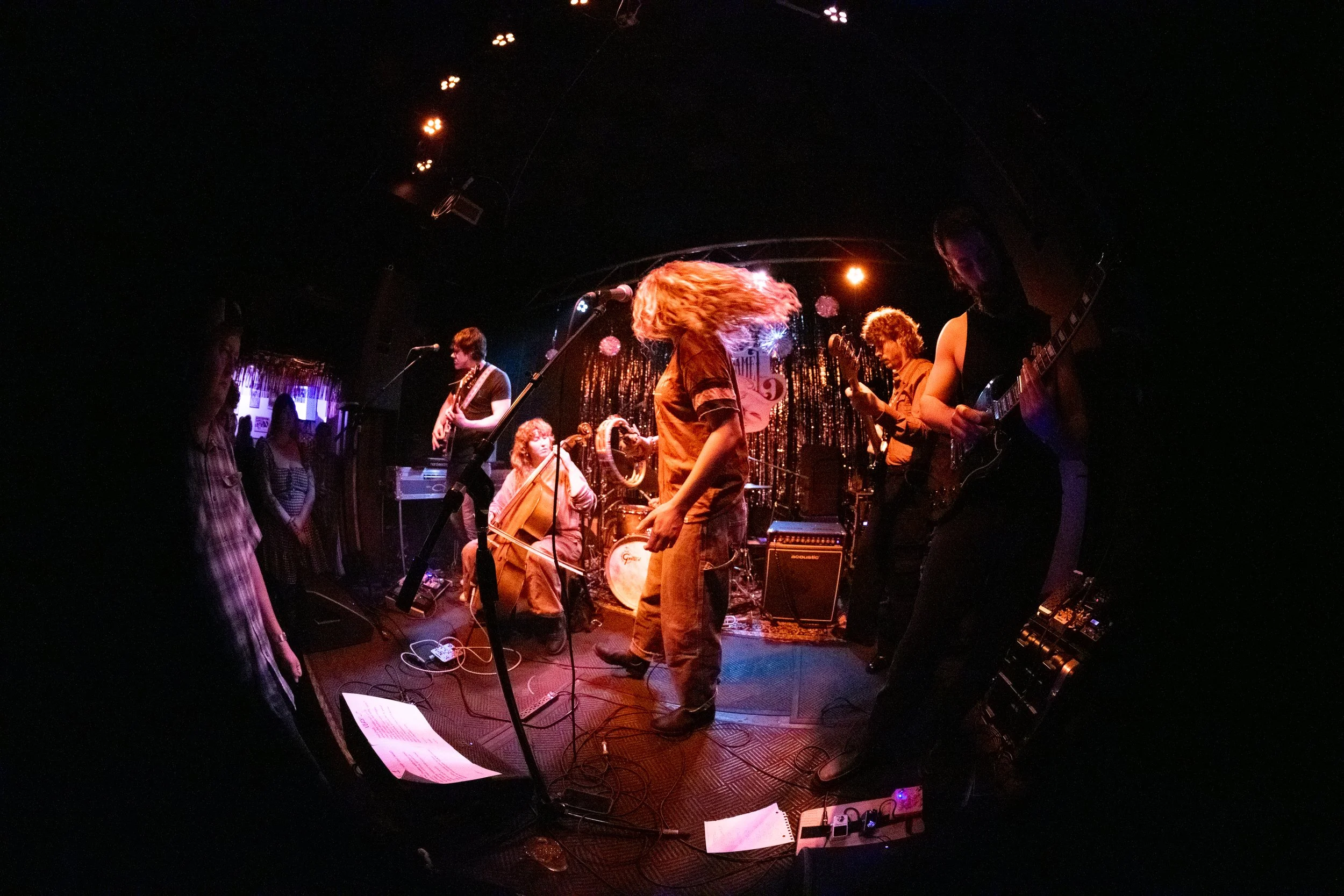
For fans of MJ Lenderman or Waxahatchee, or anyone that makes rock music in a tug-of-war between folk twang and punk angst, Bucko is a natural succession. Nearing the release of their sophomore album Casinos & Landfills, 3 of Bucko’s members met with Pleaser to introduce themselves and the city that makes them.
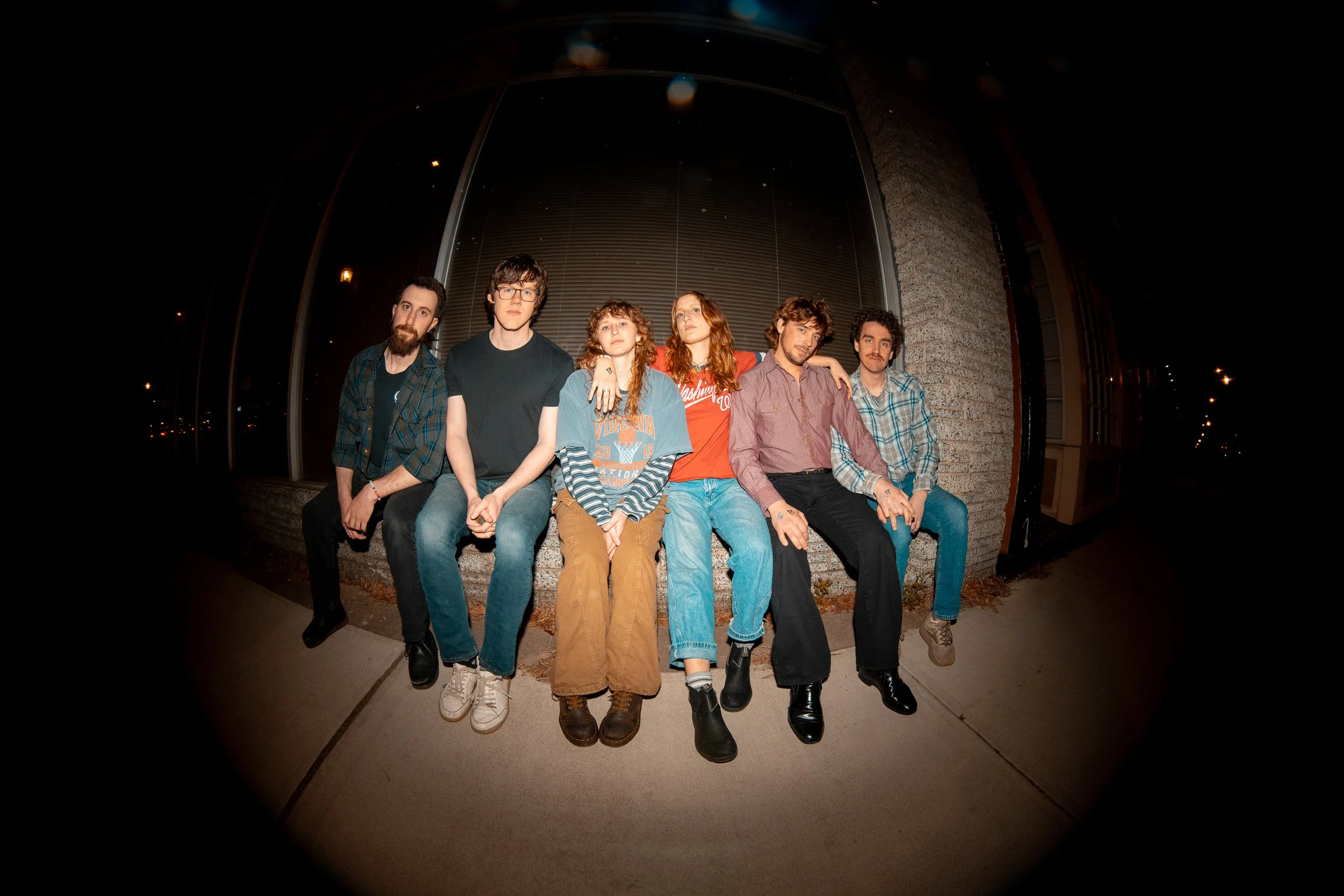
PHOTOS BY MIRANDA JEAN
My introduction to Bucko is a testament to the stronghold of word-of-mouth marketing. At the time of this one way meet-cute, I was visiting with a friend in Charlottesville, Virginia. There was one evening in which my friend had another commitment, and I was left to my own devices for a few hours. Hanging around Charlottesville’s downtown, I crossed paths with two gracious strangers who invited me to join their night out.
As our conversation swayed to the subject of work, one of my newfound friends brought up their partner’s band— an independent, spunky 6-piece from just a little further south. As a New Yorker, I took this information with a grain of salt, since it seems that everyone there is either in a band or an extension of one. I figured I could at least offer this alleged band’s Instagram a follow and assumed that would be the end of it.
Of course, by the next day my curiosity called back, and I was pleasantly surprised with a surface level peruse of Bucko’s profiles and playlists. In the middle of grabbing a coffee from a barista’s hands, I nearly confirmed out loud: This is a band.
Surprises are synonymous with the group, who teeter around anything that sways them too far into one style, be it rock, country, etc. Their discography is the sonic equivalent of a curio shop. Plucks and pounds jut out like a Swiss Army knife misplaced in a tea set. Distorted guitars surround the rich sound of a cello, emulating the way a layer of dust coats a velvet dress in the window display. Outwardly unrelated shapes and items, or in this case, sounds, collect together from top to bottom. Yet, they unite to function as something that’s wondrous in a way you can’t codify, revealing new surprises with every visit.
Ava Coles: The sound is a reflection of the individual influences we bring to the table, which is surprisingly varied. We weren’t all brought up loving, looking up to alt-country or country artists.
Regardless of where it may have sprouted from, lead singer Ava Coles possesses a distinct intonation that certainly skews southern. Her more conversational voice drags a drawl, as if singing through clenched teeth, adding a punky quality to upbeat instrumentation. From there she soars to higher tones, sometimes delicate and airy and in other instances a guttural shout, often all in the same song. Coles is also the primary lyricist, often working through her own grown-up emotions with playful southern-coded analogies, like ride-on lawn mowers and burning pick up trucks.
Backing Coles are guitarists Ezra Lapidus and Ben Slone, bassist Jacob Korona, drummer Ben Heath, and cellist Colette Daly — a later, but pivotal addition in shaping Bucko’s sound. After accepting a french fry proposal to officially join the band, Daly’s cello brings an evocative depth to the band’s rock-rooted tracks, expanding upon an already vibrant collection of musical personalities.
Ezra Lapidus: Everybody brings their own voice on each instrument, even when things get kind of crazy in all of our songs. There are some things, as a guitar player, that I see the other guitarist, Ben [Slone] do that I categorize in my musical mind as a “Slonism.”
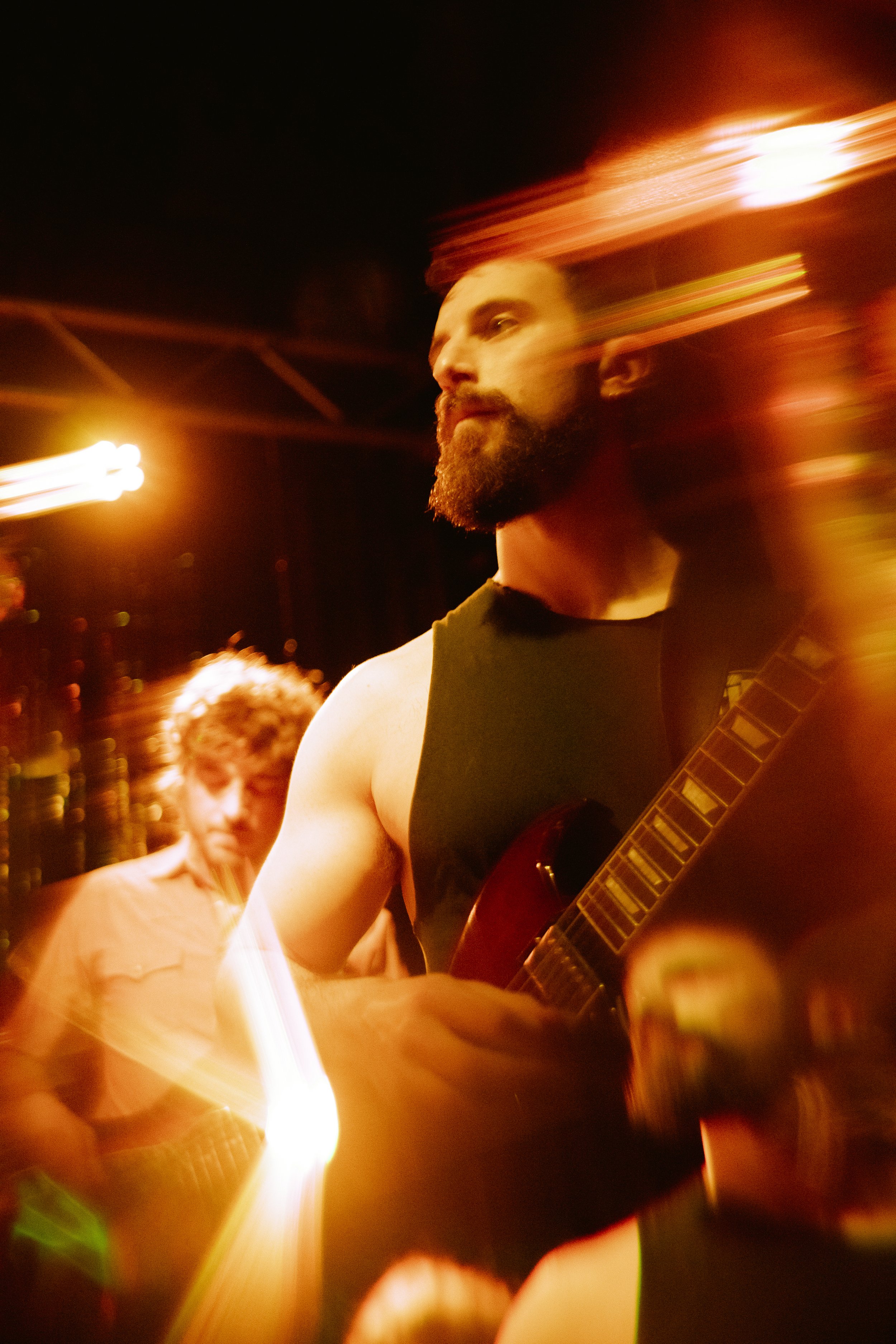
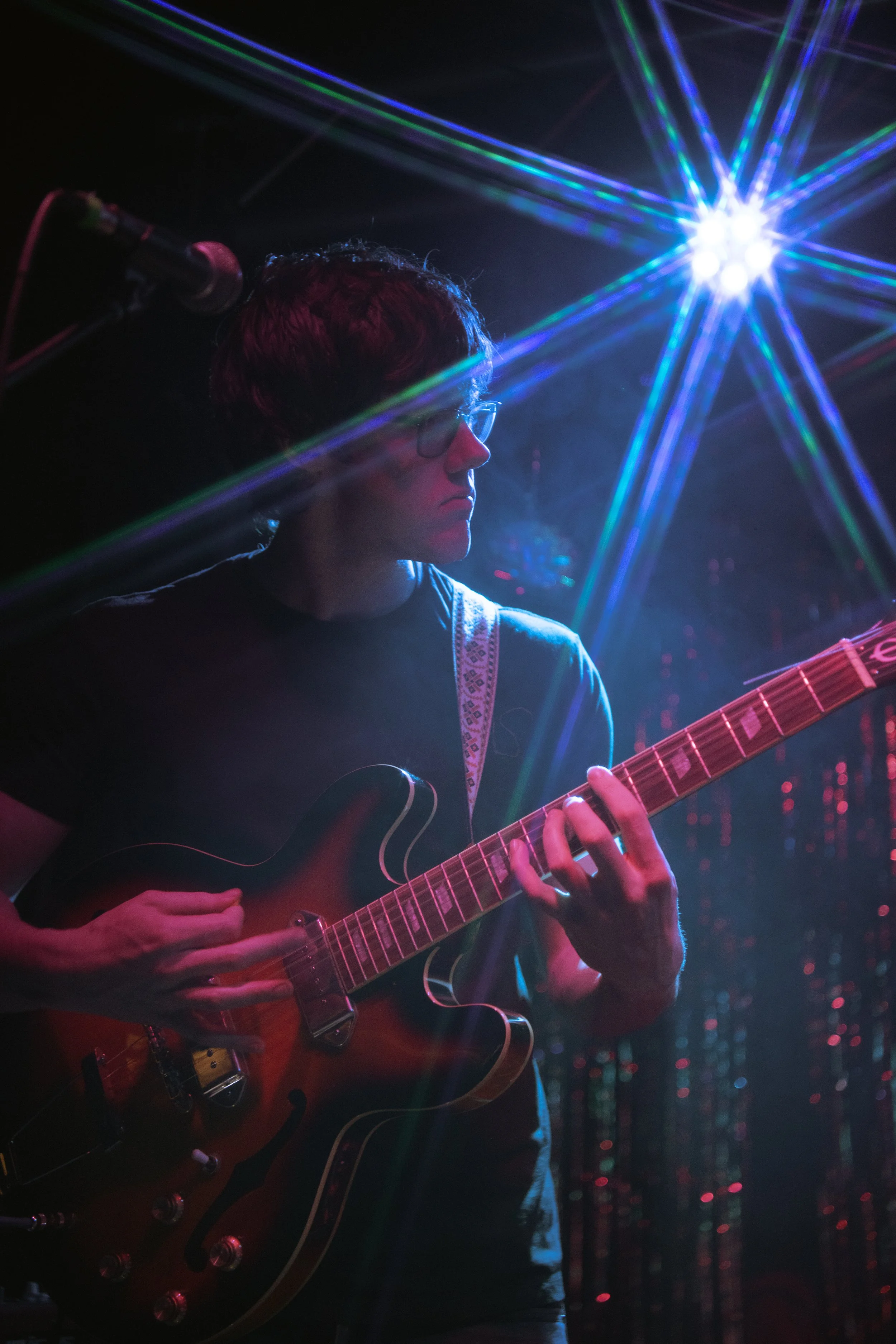
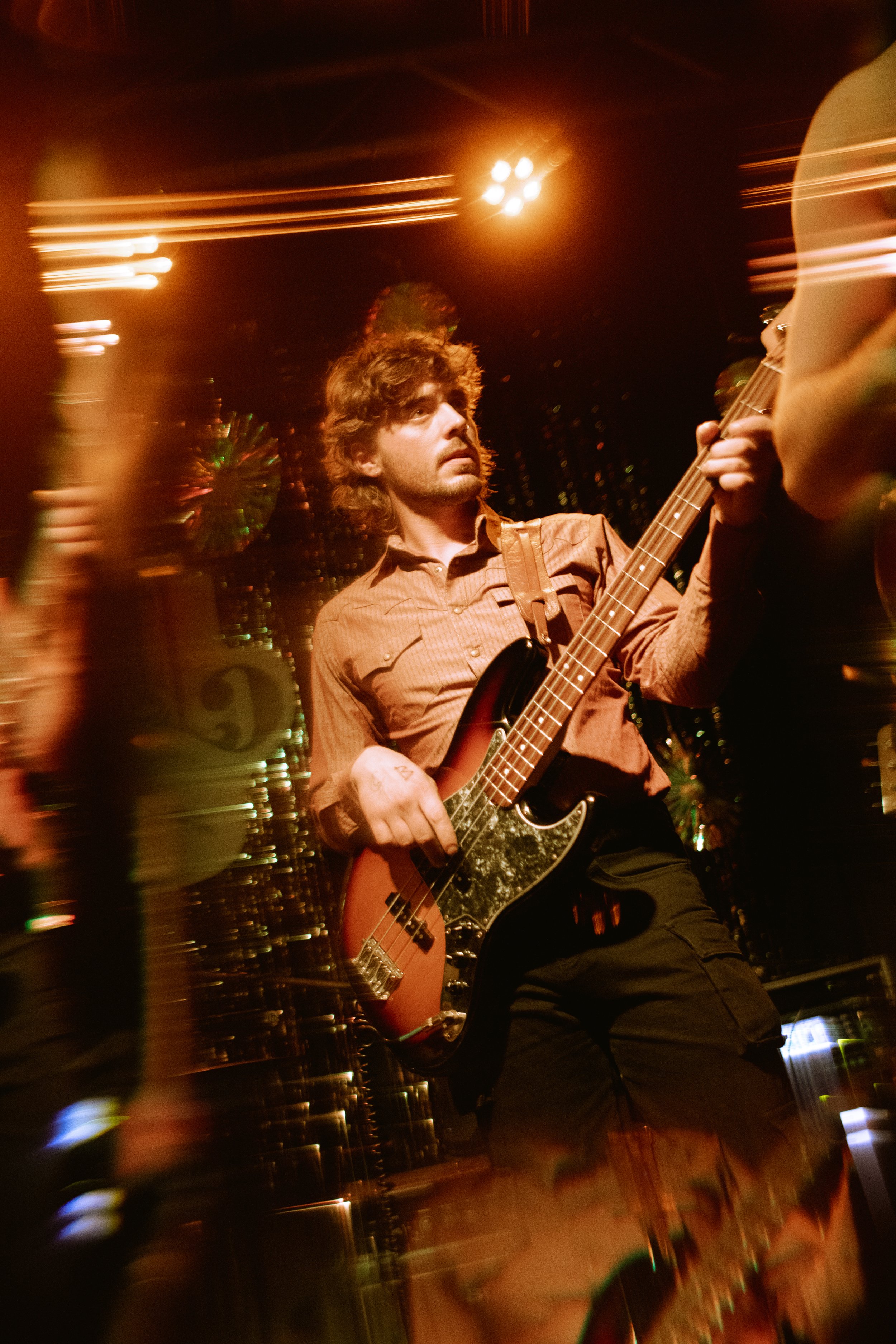
PHOTOS BY MIRANDA JEAN. FROM LEFT TO RIGHT: EZRA LAPIDUS, BEN SLONE, JACOB KORONA
On their first album, 2024’s self-titled Bucko, these “crazy” parts don’t always appear linearly. Songs like “Cilantro” and “Theme Song” boing and clash pinball machine-style. The project, like the style of the band itself, maintains a playful overtone while ricocheting between storytelling styles.
Some tracks, like “First Horse in The Camel,” serve at face value, built on choppy punchlines that snowball from local inside jokes to an extraterrestrial ending. Could you read between the lines to make out a commentary on the comfort of knowing eventually an end will consume you and you’ll be relieved of mundanity? Sure. But it may simply just be a tune about a dorky camel who takes off to the moon.
On releases since Bucko, it seems the band has muddled further into metaphor, with more recent tracks like “Riding Mower,” “Gutter,” and “The Needle” align more so with a skeeball game structure than a pinball machine. The songs feel smoother at the edges, rolling up steadily to a bursting point of colorful clashing, proving that a singular song can in fact encourage both a honky-tonk stomp and a thrashing headbang.
The influence of Wednesday’s Karly Hartzman and Florry’s Francie Medosh is increasingly obvious into the aforementioned singles. In the spirit of these alt-country heroes, Bucko simplifies complicated sensations of love, longing and maturing by means of cleverly cathartic and authentically Americana narratives. It’s a signature that I look forward to hearing across their upcoming album, Casinos & Landfills, releasing on June 13.
AC: There’s more trust as time goes on, and that has shown through these moments in the music where it’s really tight. Our second album is going to be an insanely cool kind of encapsulation of this moment in time [in honor] of the year or so it’s taken to build it. It’s a new era. It’s more emotional.
Colette Daly: We grew up a little. Not totally, we’re still the old children.
The “old children” identity that Daly references is derived from a phrase penned by Doug Nunnally of the Richmond-based music publication, The Auricular. He categorized the members of Bucko as “old children of the modern south.” The first half of that descriptor reflects how Bucko’s experience with making music is driven by joy— they prioritize having fun and letting themselves take time together lightly, which they feel has laid the groundwork for a strong and supportive band dynamic.
As for “the modern south,” Richmond may not be the only place that fits the tag, but it certainly wears it well. The capital city of Virginia, which formerly stood as the capital of The Confederacy, has progressed far past its history, flourishing as a humanistic hub that accentuates community and creativity, especially music.
CD: It’s a really robust scene and a very special place. In its venues and that it’s so DIY. There are a lot of music people doing some really creative work. Everyone’s really sweet and we’re fortunate to have met so many of our friends through that.
AC: There’s definitely no shortage of bands in Richmond. When we have someone reach out about a bill we can’t do, we’re like, ‘Don’t worry though!’ I’ve got recommendations and often those folks are dear buddies. It’s so interwoven and so friendly.
(Let it be noted that after closing our interview, Coles excitedly asked to return “on the record” to spotlight some of these cherished friends in the scene.)
AC: Doreen, Mackenzie Roark and the Hot Pants, Mead The Deer, TV Battle Stations, Babe Lewis— they’re not alt-country but they’re damn good.
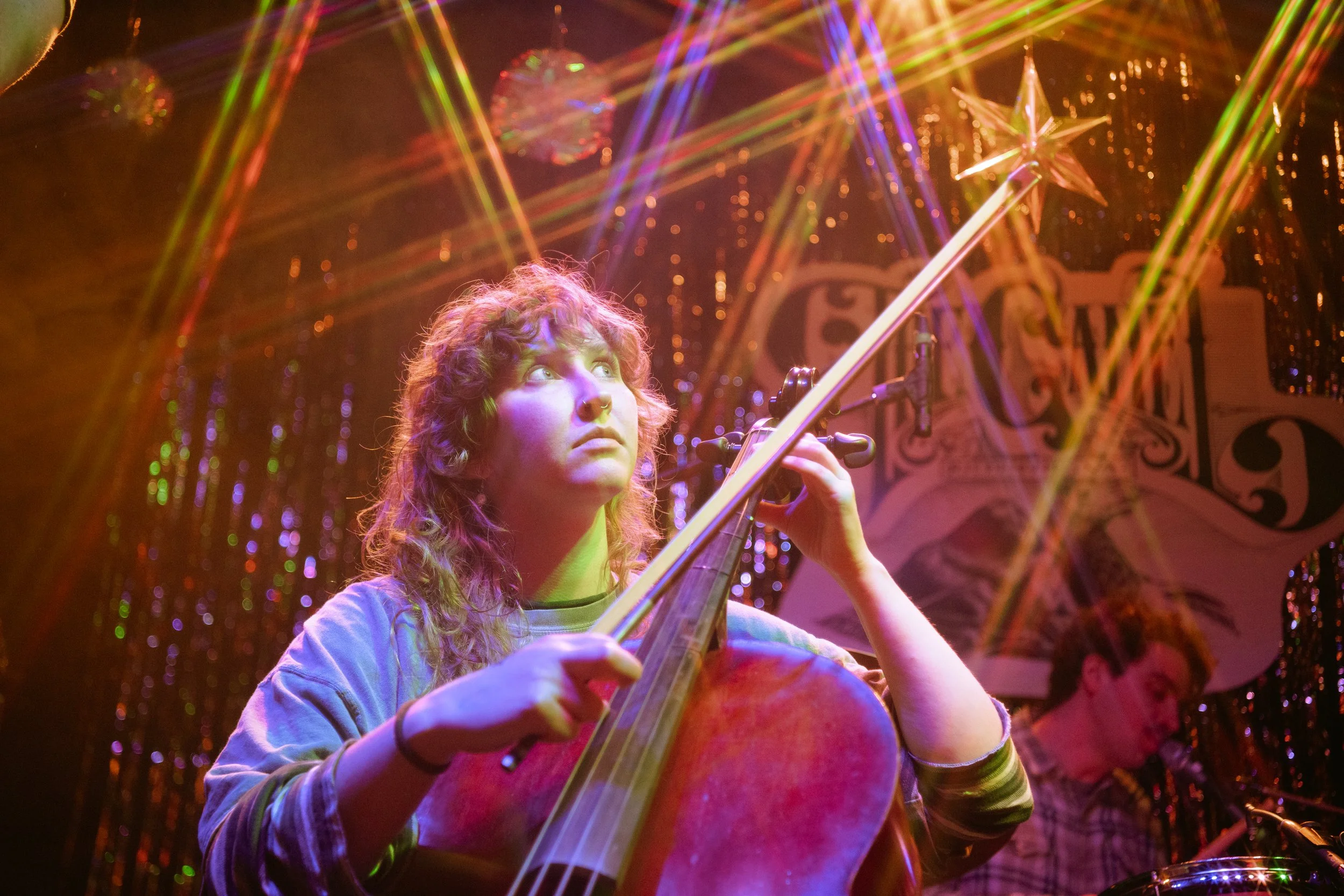
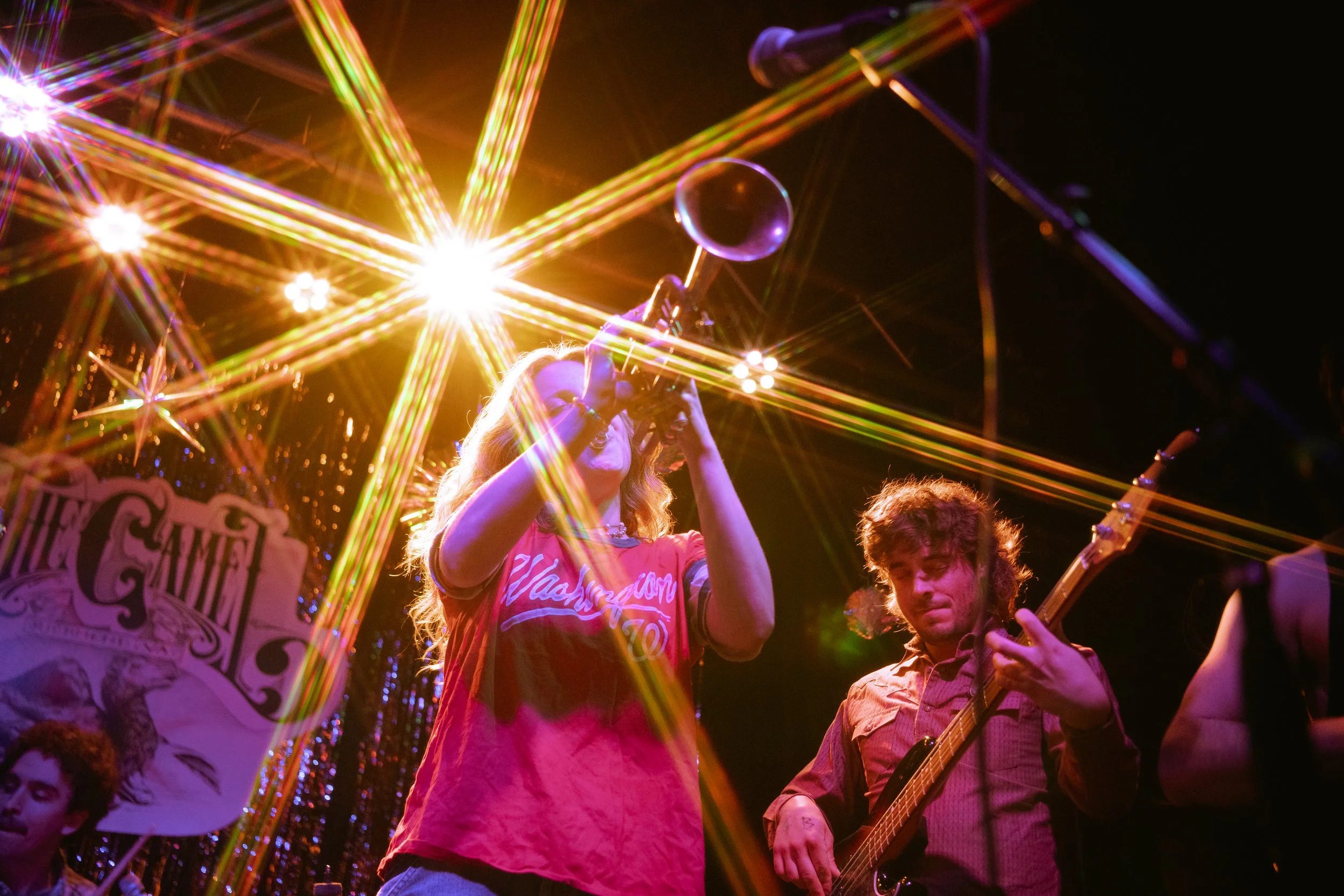
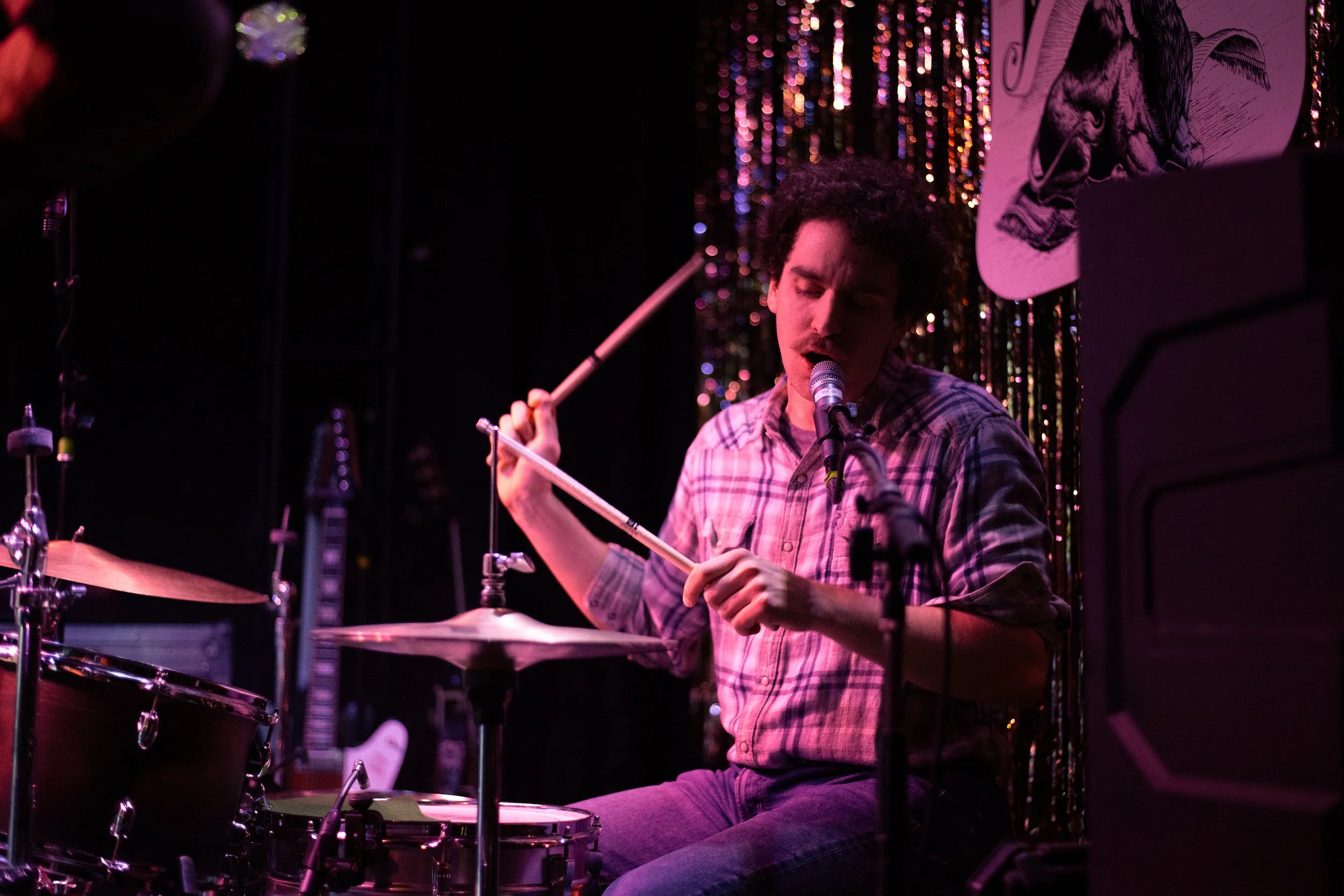
PHOTOS BY MIRANDA JEAN. TOP ROW: COLETTE DALY, AVA COLES. BOTTOM LEFT: BEN HEATH
My familiarity with the Richmond scene goes as far as what Bucko detailed for me, but I can certainly pick up that they’re solid representatives of its crafty and convivial nature. What really stood out to me was their enthusiasm for introducing outsiders to their community, paving their paths to the cities’ traditional stages and off the wall spaces.
EL: We love when people hit us up to chat, but also if there are any bands coming from nearby cities, we love to help get them connected to Richmond.
AC: Even if we’re not playing with them we love to make that happen! Another thing— if somewhere seems like a fun place to play, we might as well ask. There are a lot of unconventional venues, like a convenience store, or under a bridge if that’s your speed. We played in a convenience store [Mocha Market] in a neighborhood called Oregon Hill. They started this circuit of shows there that’s completely popped off and become like this subculture. So funny, so Richmond.
EL: We’ve also played at a dystopian version of, like, a Chuck E Cheese….
AC: It’s a bar!
EL: It’s not like a place most people think a band would play!
CD: And rest in peace “Taco Place.”*
AC: We had our first album debut at “Taco Place!” They had to black out the windows because they were at capacity but they wanted to keep letting people in— it was lit. Our friend worked as the only bartender, he was so overwhelmed.
“Taco Place” may be gone too soon to recreate the debut of Casinos & Landfills’ predecessor, but considering Bucko’s zany history that includes embellishing a sneering breakup song with a blaring trumpet solo, or confessing as an “Ethanol aphrodisiac” with the heavenliness of a lullaby, there could be another surprise in store. Regardless of the environment it’s received in, I anticipate this album to affirm my original impression: This is a band. And in the extraordinary instance that enough investors agree with me to lay down an infinite budget by June 13th, a dream debut show is in development…
AC: It would be cool to have an experience, like a carnival but make it kind of grungy. A mechanical bull, some sort of demolition derby element to call back.
CD: A moonbounce would be so fun.
AC: What’s a dream venue….
EL & CD in unison: Red Rocks.
CD: Red Rocks, but it’s a moon bounce, and— I don’t think we could say we’d open for them because that feels disrespectful, but we would open for Wednesday at Red Rocks.
AC: With the moon bounce!
EL: And our drummer Ben [Heath] would be on a lazy susan.
AC: There’s a lot of aerial stuff like P!nk does where she rockets around…
EL: …but ours is really poorly done where you can see all the wires…
AC: …and we’re all replaced by animatronic animal versions of ourselves.
* The real name of “Taco Place” is withheld for privacy.