The Maine Demands You Dance to Their New Record, at a Show or On Your Own
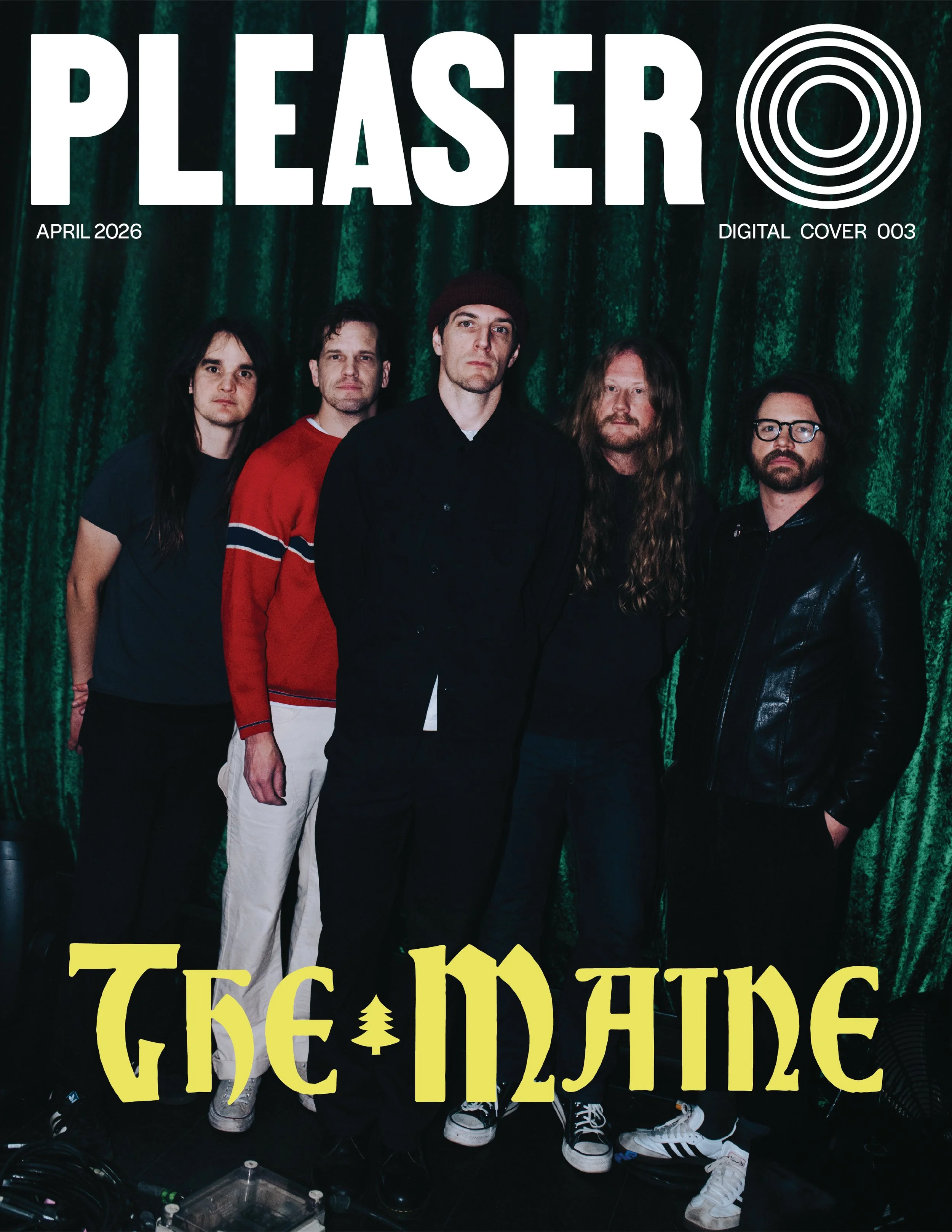
PHOTO BY ALEIAGH HYNDS, DESIGN BY SOPHIA EARLEY
For our April Digital Cover, drummer Pat Kirch filled Pleaser in on the intentionality behind The Maine’s tenth studio album Joy Next Door, the color green and the current “I Love You, But I Chose The Maine.” tour, which Pleaser attended in New York City
I often find myself in a cycle of, “when I accomplish XYZ, then I’ll be happy.” The period before the achievement, a job, a boyfriend, a graduation, feels like a waiting room; other people are called into the office of joy while I sit and watch the clock, watch people walking in and out, watch life go by. Once my name is finally called, I may have a moment of gratitude or bliss, but I’m usually pulled right into the next waiting room, eyes set on the next goal. I’m glad to know I’m not alone in this experience, as these feelings and more are what The Maine’s new album Joy Next Door,released April 10, explores.
In conversation with Pleaser Magazine, drummer Pat Kirch said the album describes a cycle I’ve gone through many times; realizing that perhaps happiness isn’t a destination, but a constant decision that has to be made. It’s experienced during the phases of waiting and arrival, with satisfaction in the present moment being an integral part of the emotion. Kirch added that Joy Next Door was written from the thoughts of lead singer John O’Callaghan. Not observations of the world or opinions of others, but a look into the inner thoughts of an icon who’s human, just like the rest of us.
O’Callaghan said in a press release, “Most of the personal friction I’ve felt during the making of this record has derived from having to face my own struggle with feeling like I have everything I could have ever dreamed of, yet I can’t seem to allow myself to be fully present and appreciate the weight of a very fortunate life.”
Joy Next Door is thus autobiographical in nature, according to Kirch, who said, “It takes you from one point of how he’s thinking and feeling, and how those take turns throughout his life.”
The first single release off the album, “Die to Fall,” speaks directly to living in the present moment. In conversation with himself, O’Callaghan iterates his need to let go of his inhibitions and insecurities to find the satisfaction he desires. Further, he said in the release, “I want to let go of ‘me’ for even just a second and truly feel the gravity of all the little moments we can often take for granted.” In a moment of reflection, the chorus chants, “I wish that dream came true / Where I don't pull my parachute / And I feel alive, I feel alive.” If you can’t relate to the message, the synth-soaked, percussion driven sound will propel you through, no problem.
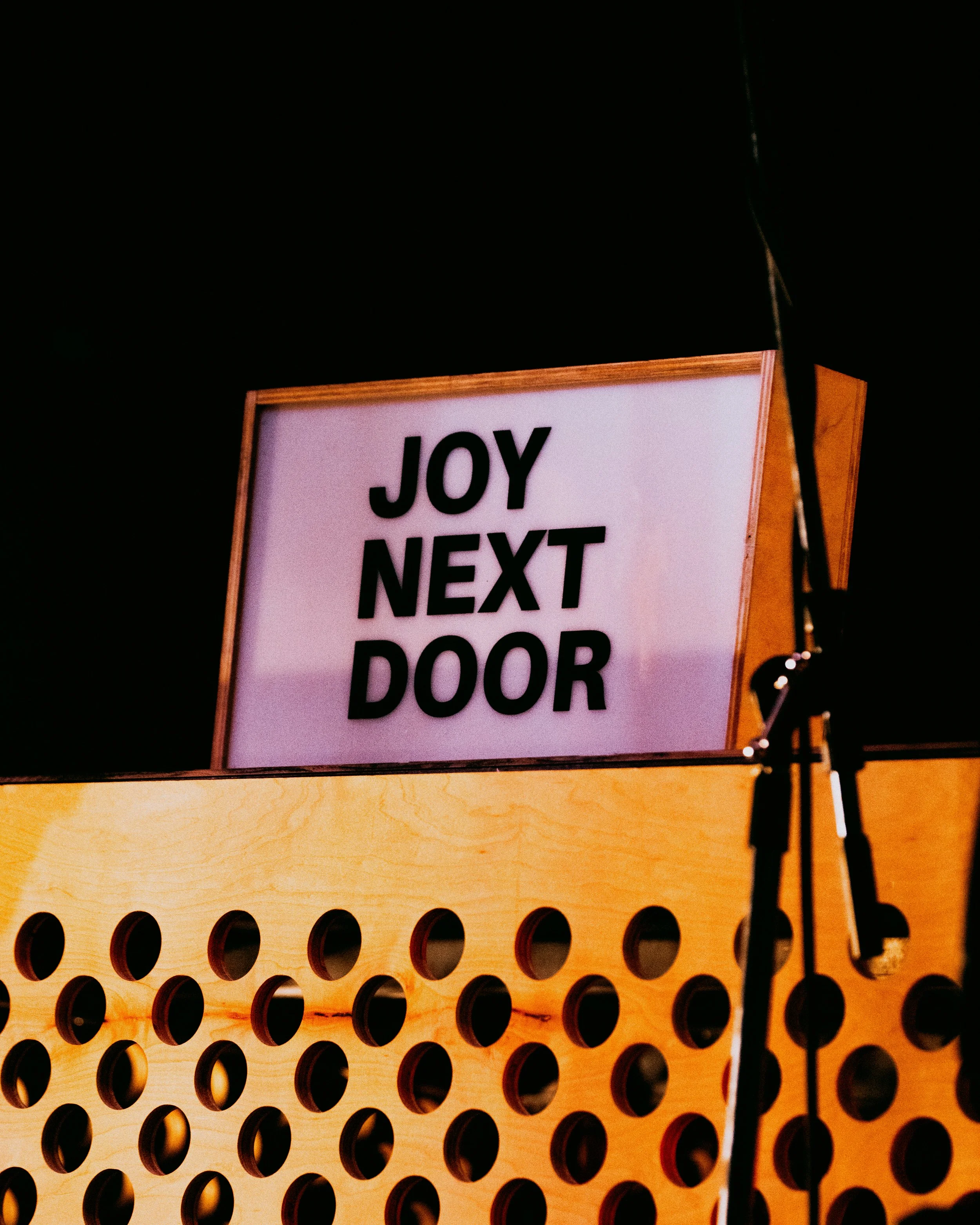
PHOTOS BY ALEIAGH HYNDS
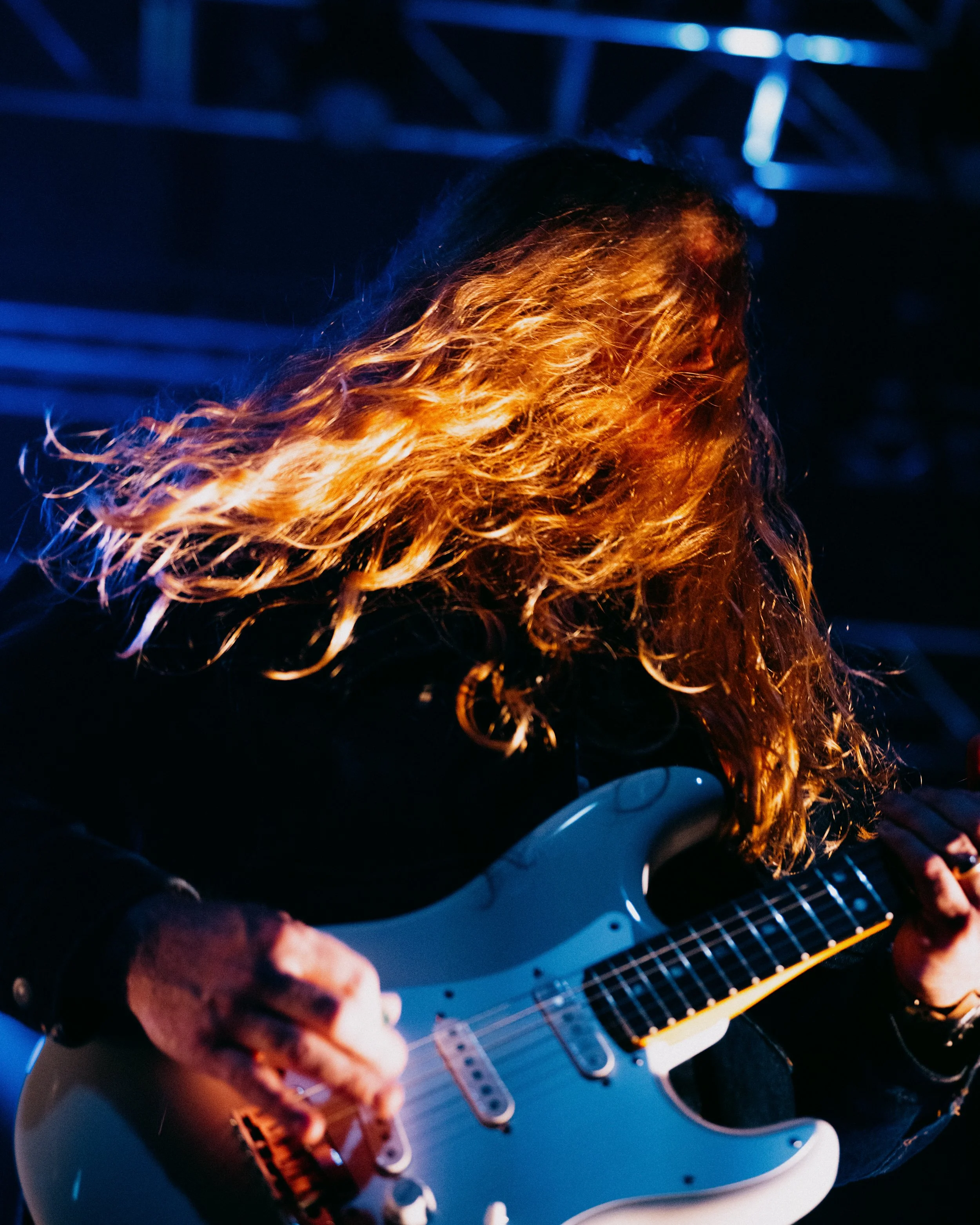
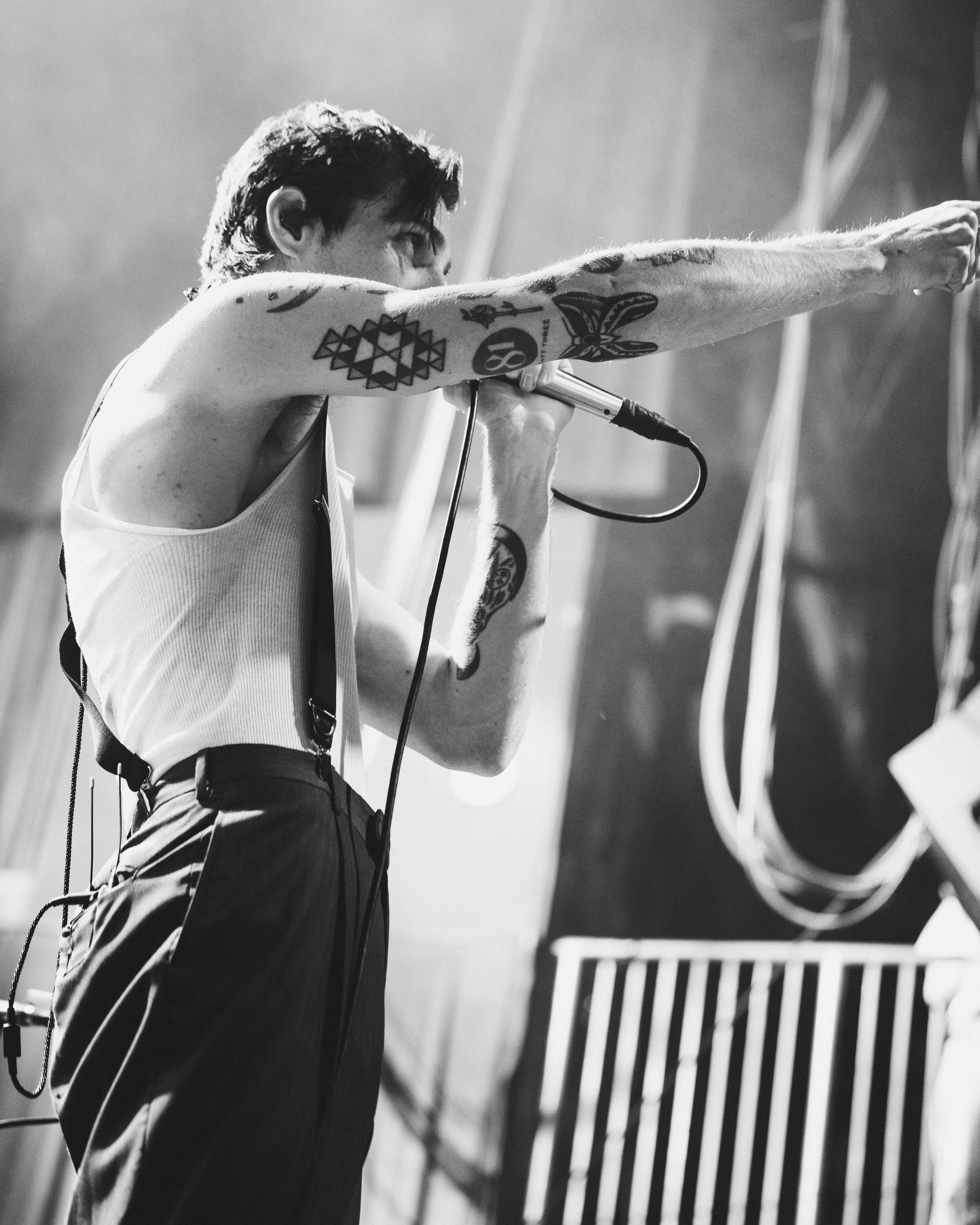
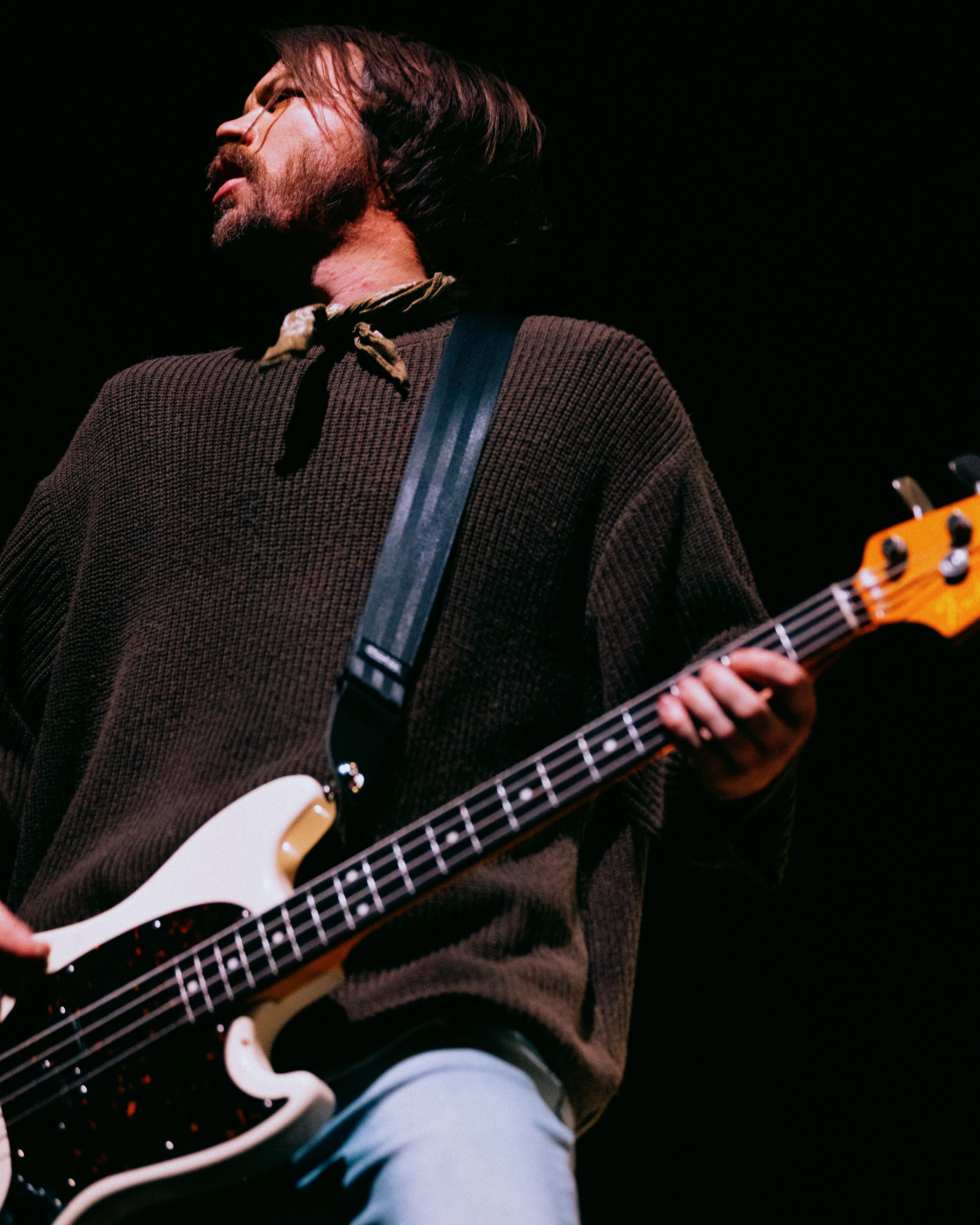
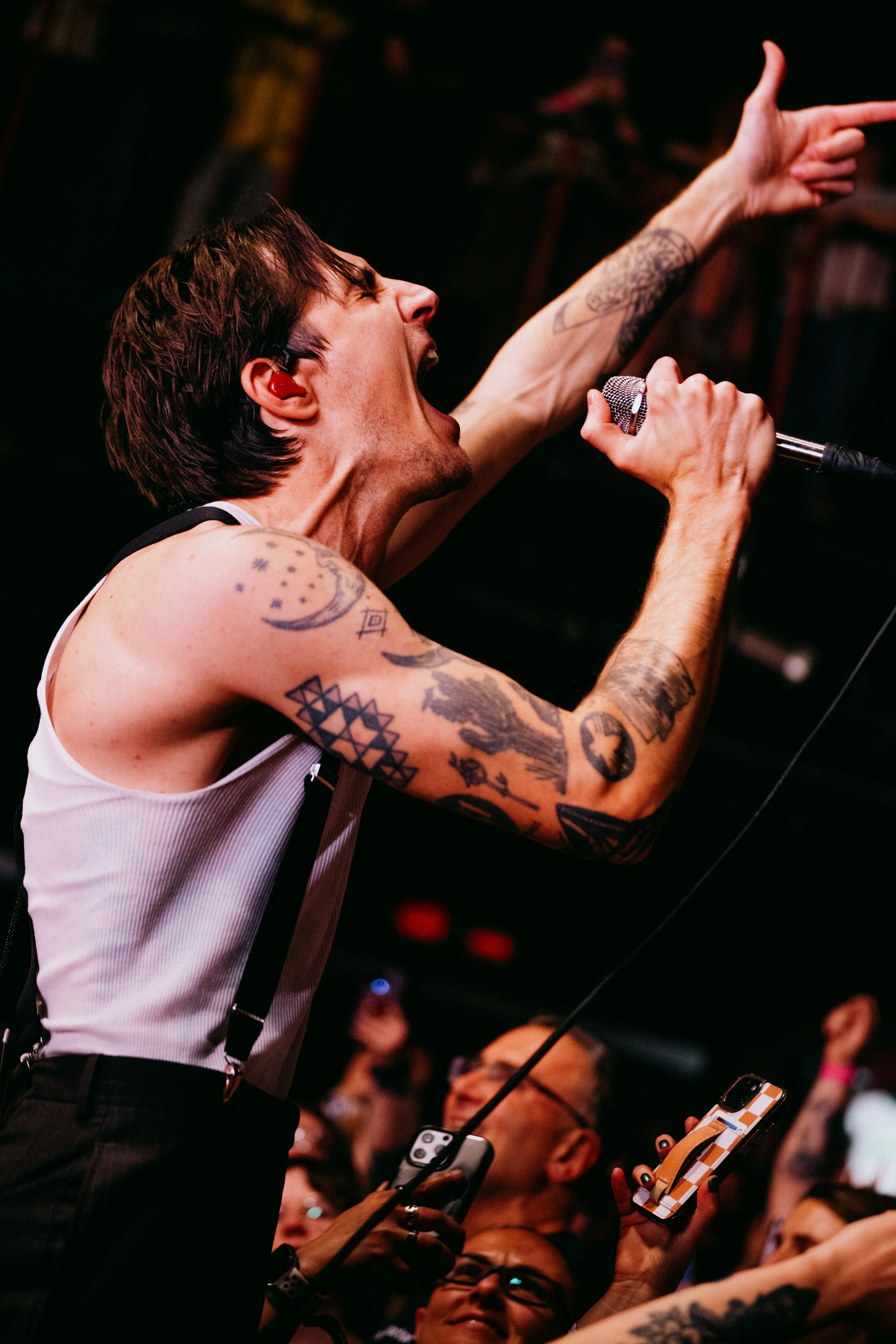
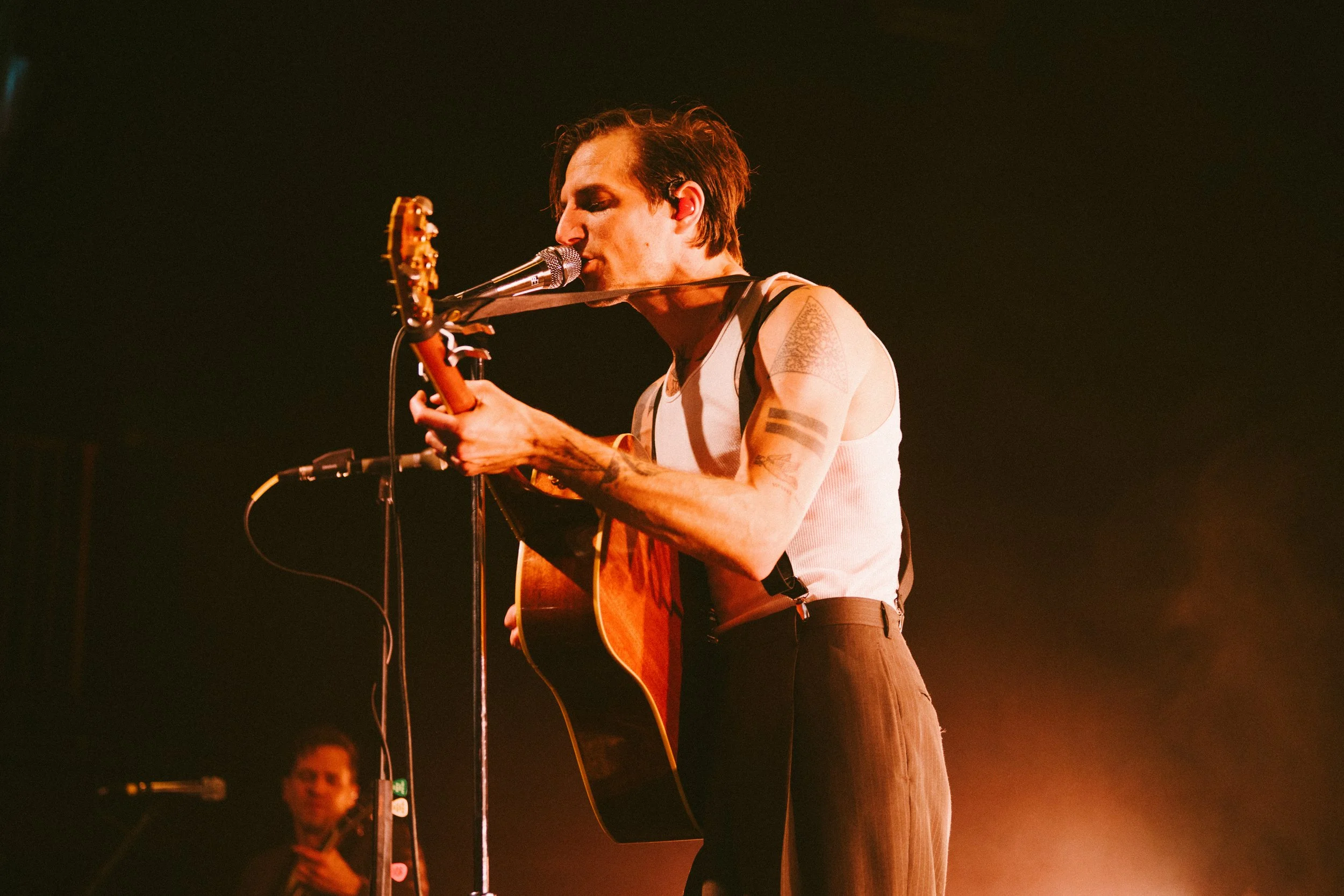
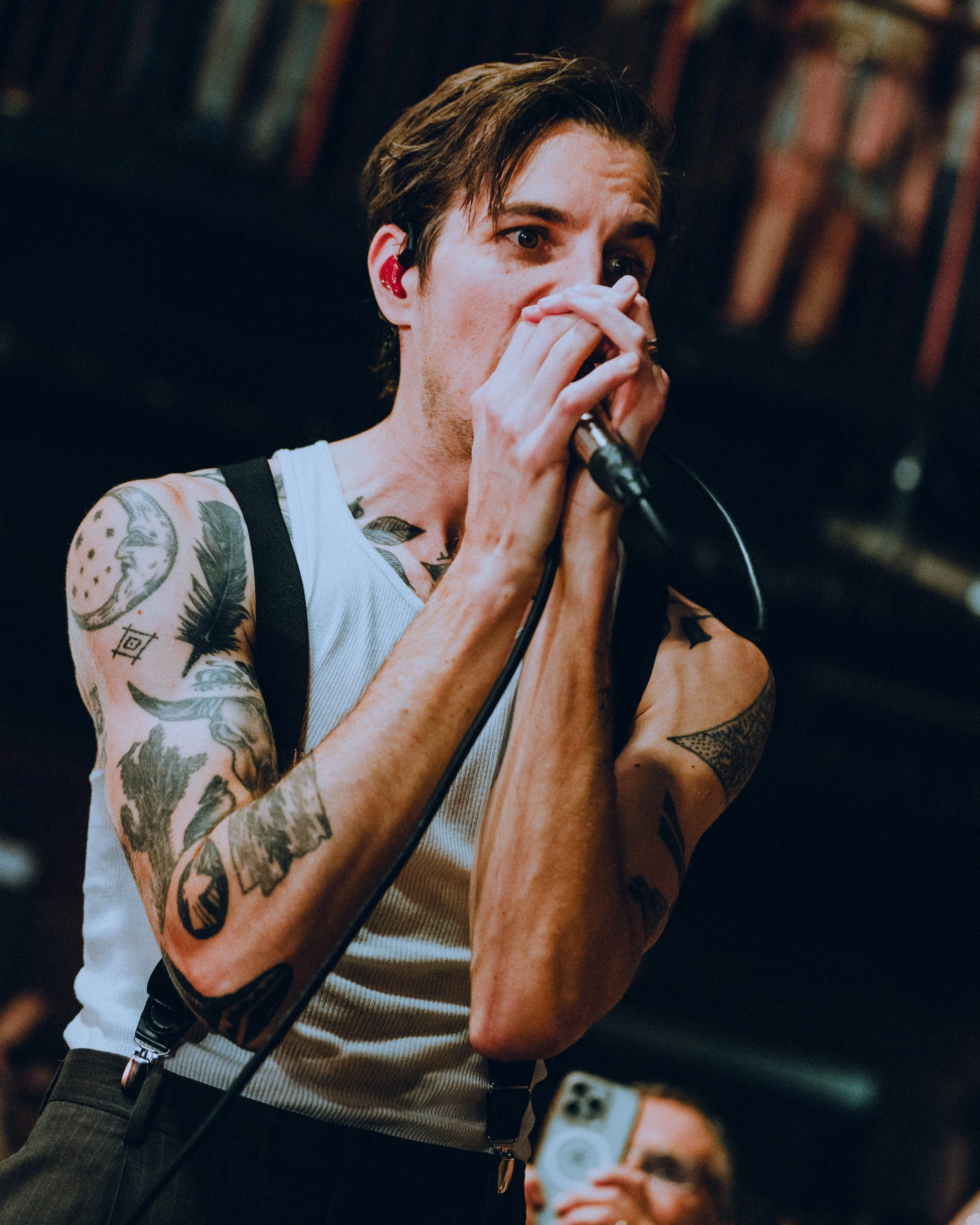
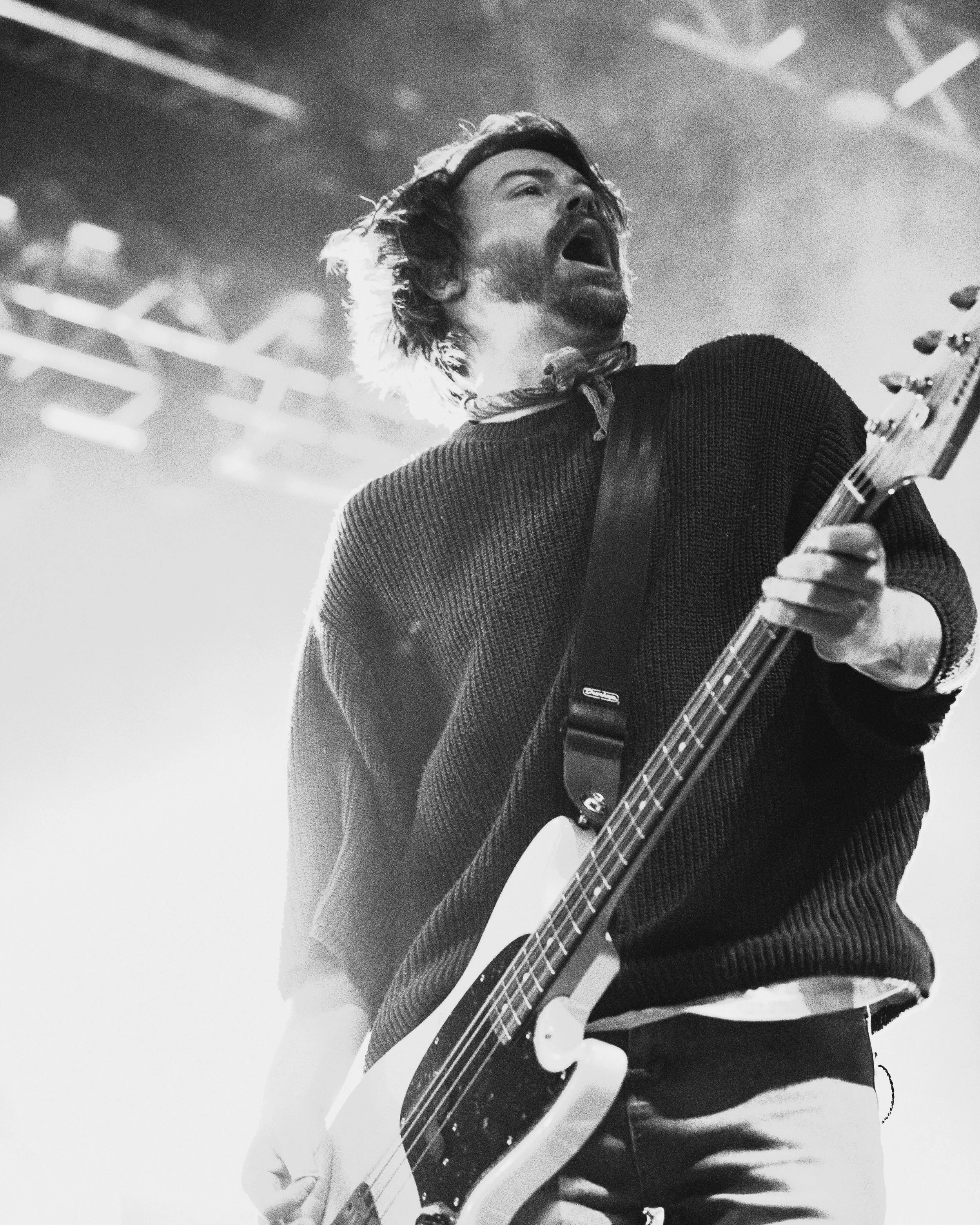
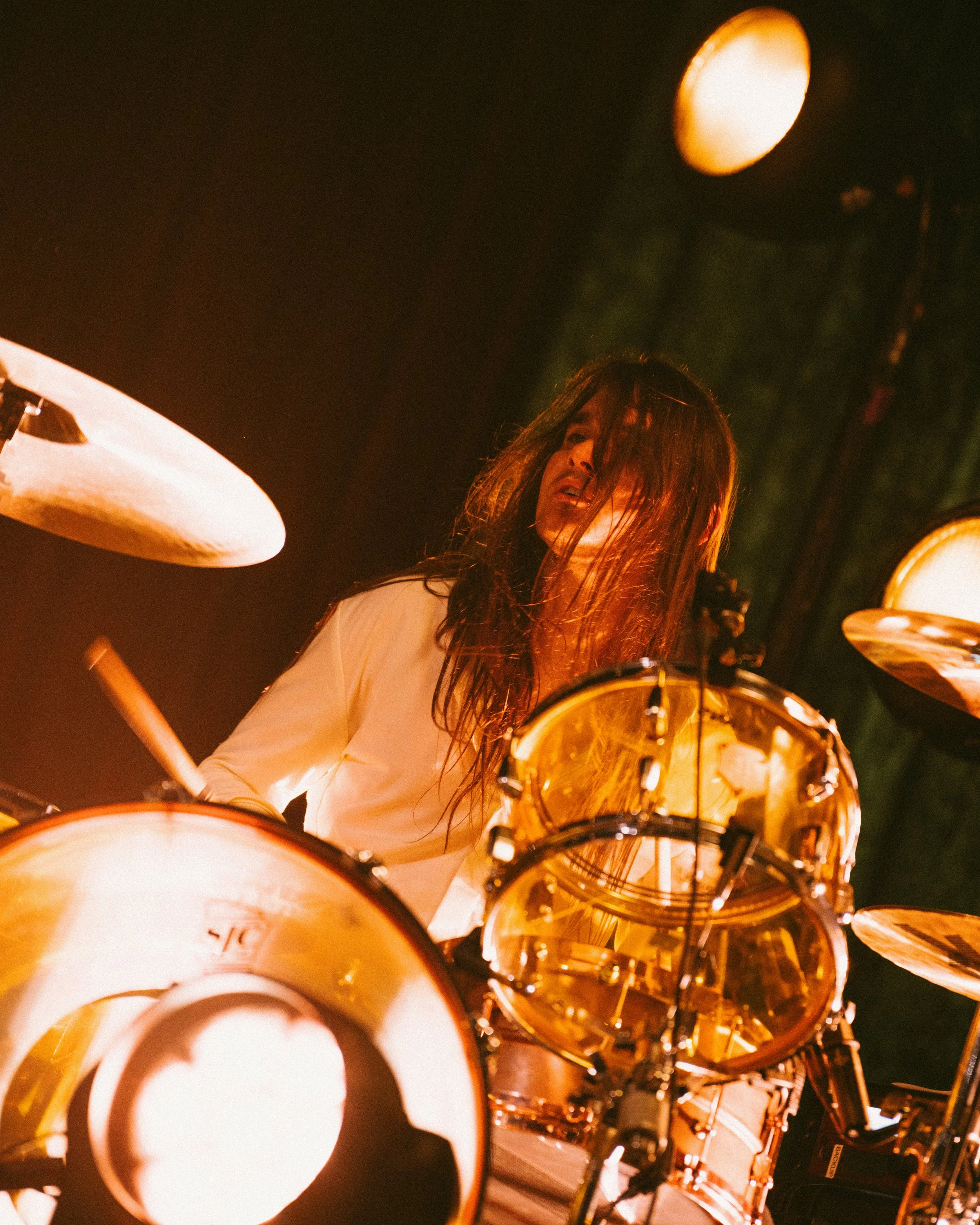
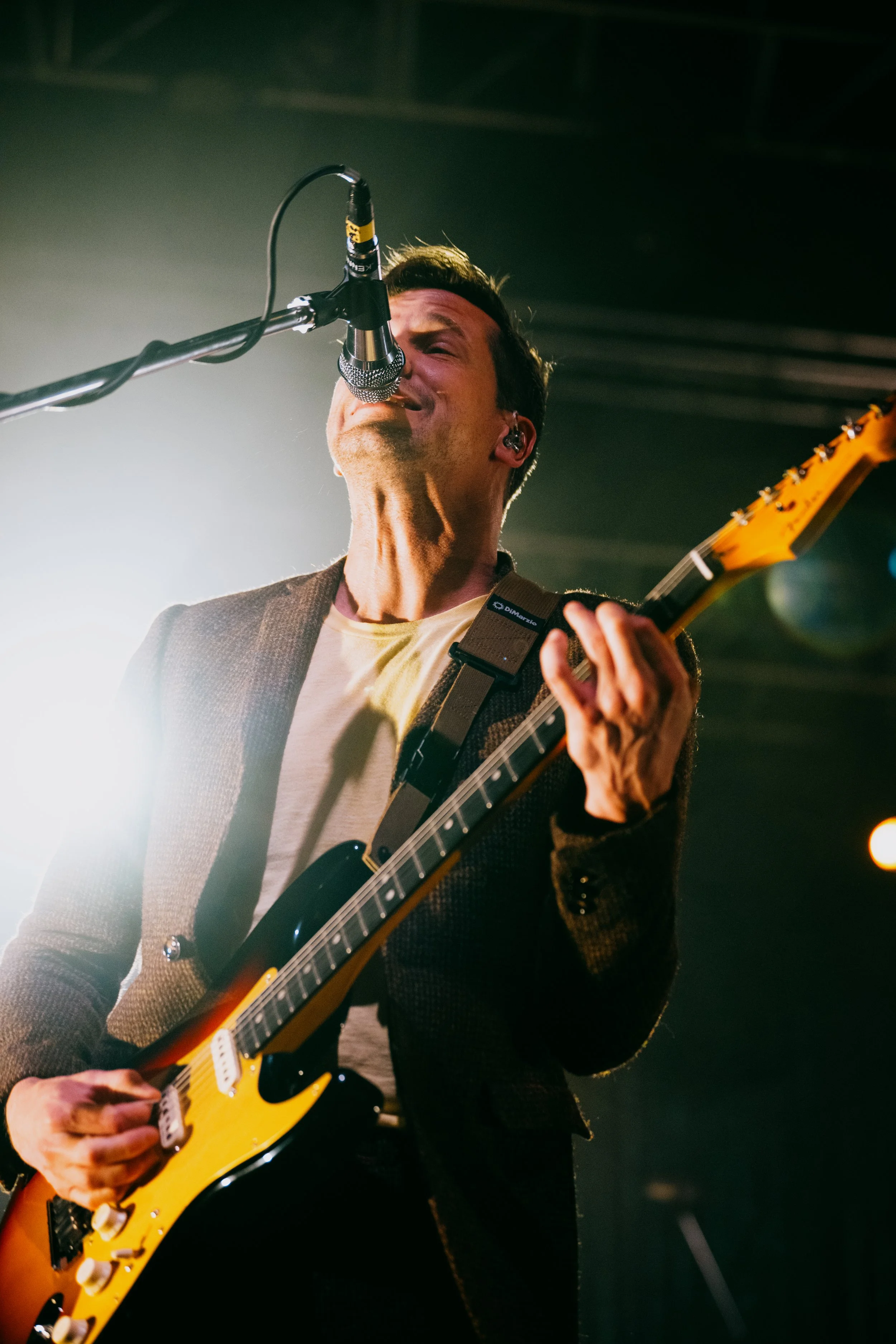
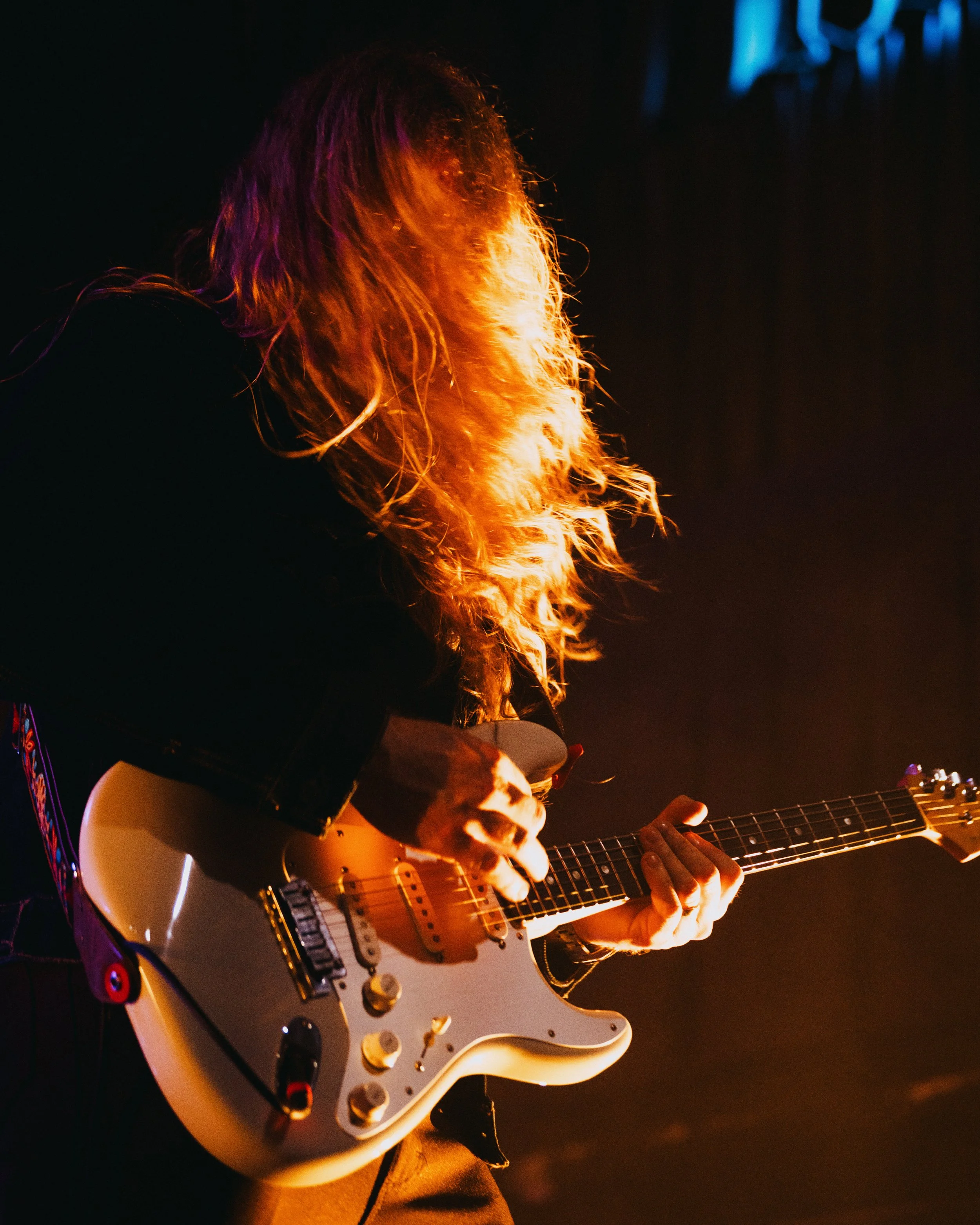
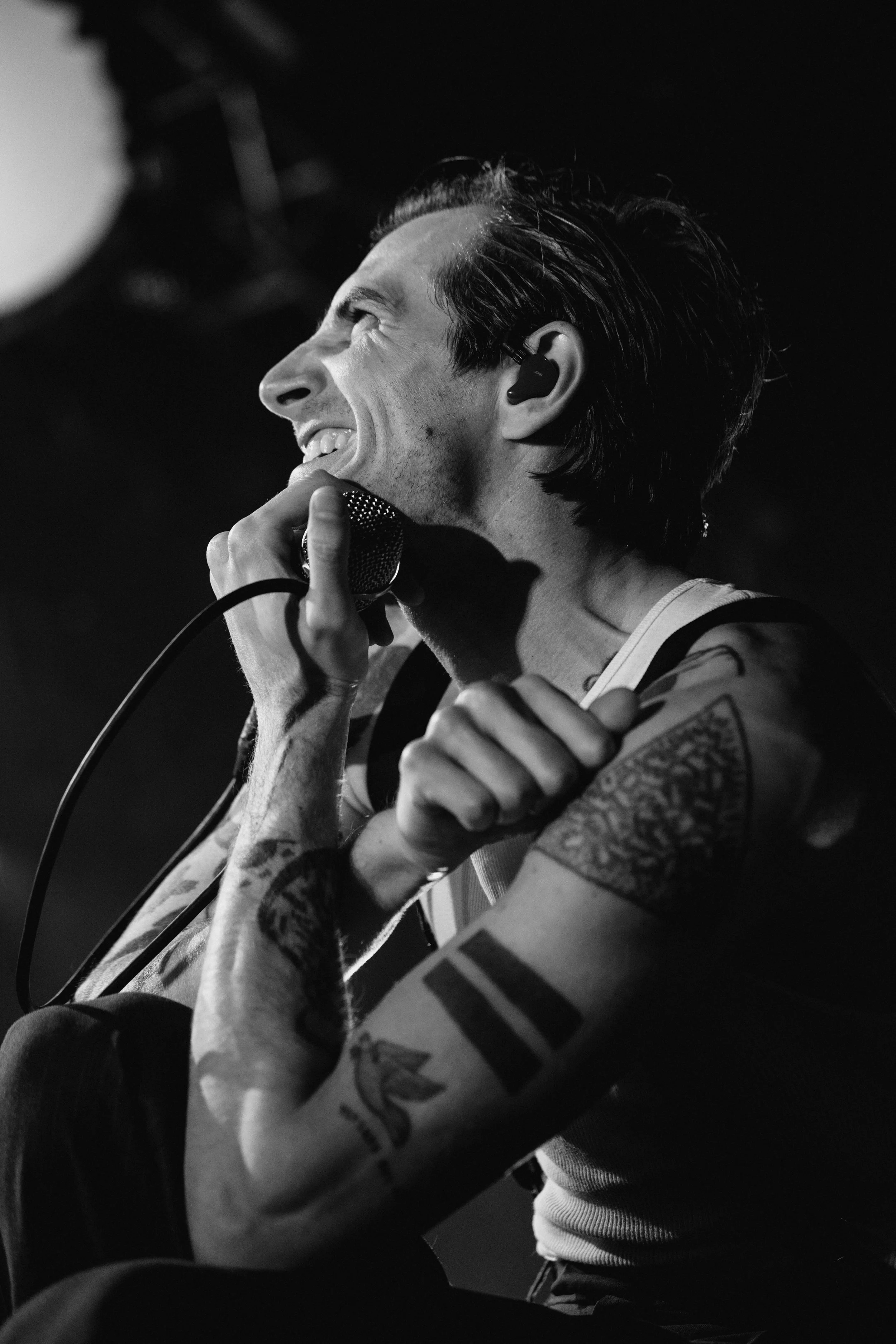
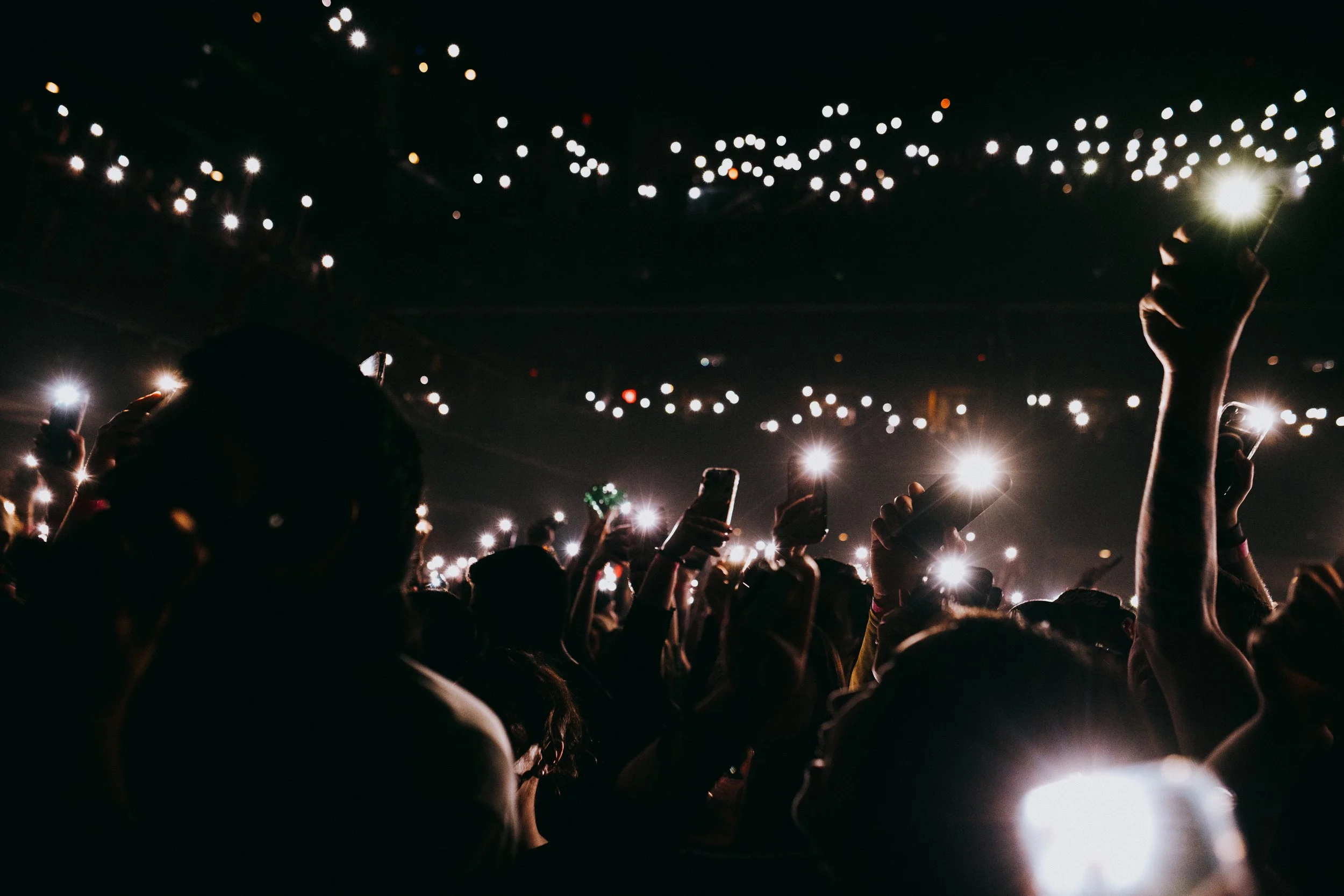
Pleaser caught “Die to Fall” live at the Brooklyn Paramount in New York City, a stop among many on their current “I Love You, But I Chose The Maine” tour. Third on the setlist, the arrangement on stage was slightly different from the record. Kirch explained during our interview that alterations are made to recordings during the live performance in an intentional effort to keep the band engaged and having fun. Before they played the song, O’Callaghan spoke to the crowd about his effort to live in the present moment, encouraging fans to put their phones down and just be.
As heartfelt of a moment as it was, the show, as a whole, was an hour and thirty minute dance party egged on by O’Callaghan and the band. I’ve never seen so many crowd surfers, one after another sprouted from the center of the room and were guided to the guardrails at the front. It seemed like this was a common occurrence at a The Maine show, as there were five security officers at the barricade, ready to catch and carry the many who made it to the ground.
The band embarked on this tour in tandem with the release of Joy Next Door, which Kirch said was assembled in order, meaning track one was recorded first, two recorded second, and so forth through track 11. The band chose to build the record this way so they had total control over the tone, intentionally stacking songs together like Legos to take listeners through the “rollercoaster ride of the album,” Kirch explained. As simple as it may sound, the goal with this albumwas to truly create a record.
“A lot of music that’s being made is made in such a disposable way: you meet someone, record quickly, and continue the process until you realize you have an album. We wanted to do the opposite of that.”
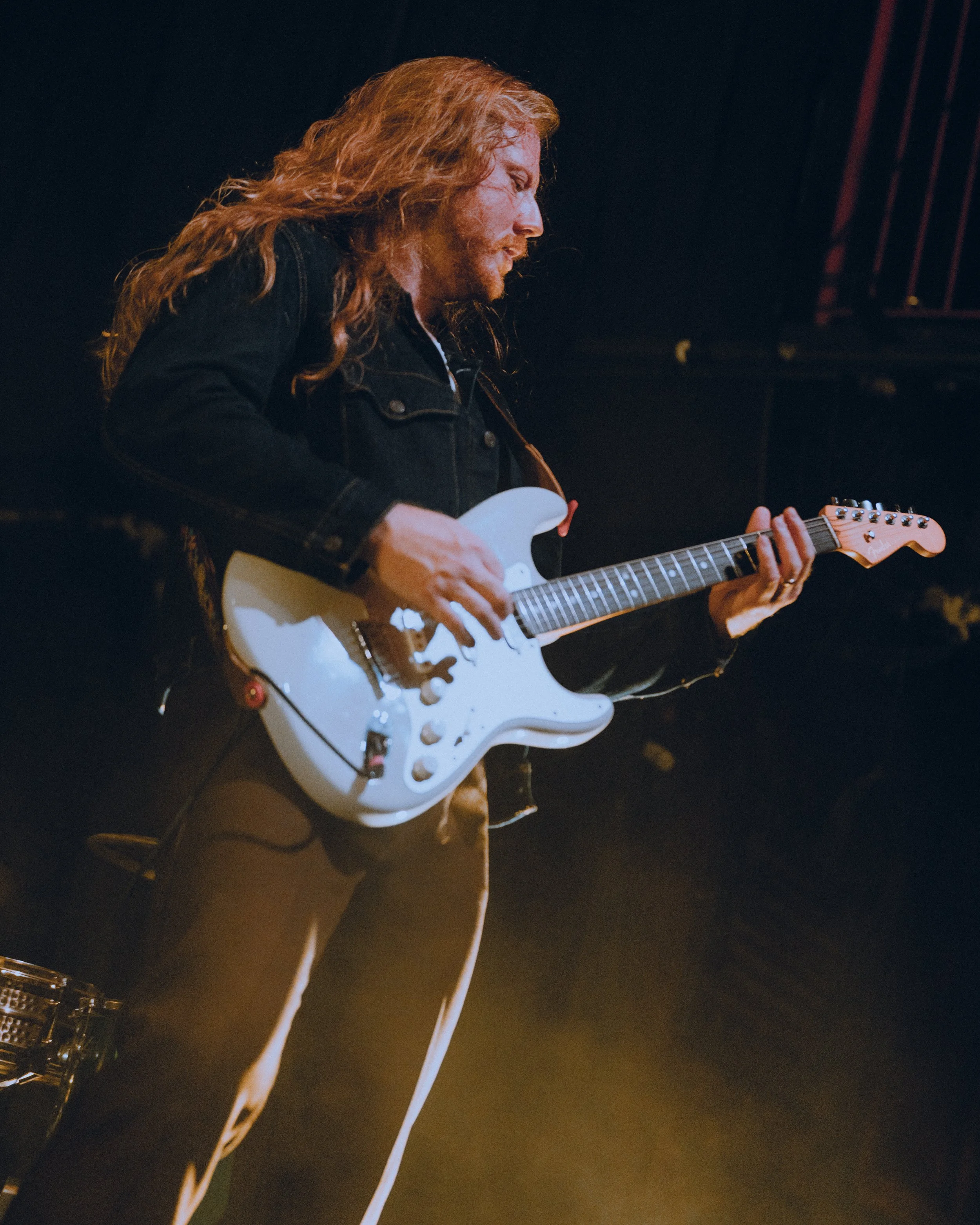
The Maine has been creating together since 2007, formed in Tempe, Arizona by high school friends Kennedy Brock (guitar), Jared Monaco (guitar), Garrett Nickelsen (bass), Kirch and O'Callaghan. As the albums dropped over the years, each one steps and swings to its own rhythm, connected to its siblings only through their shared parent, not by sound or structure. Kirch said that’s sort of intended, both because their interests shift naturally and because they always want to be on the bounds of what they think is possible.
“It’s been dramatic at times,” Kirch explained, continuing, “We finish an album, tour it, and say ‘lets try to stick to something similar,’ but then we’ve gotten in the studio and it feels half-hearted. We can't help ourselves, we have to feel like we're pushing into new territory.”

In terms of creation processes, the band has tried it all, according to Kirch. For example, with their debut record Can’t Stop Won’t Stop in 2008, they took advantage of every production tool available to them at the time. The album generally emulates early-2000s rock in the best way: a high-energy blend of emo-punk and pop, masterfully created with a wild percussion section destined for head-banging in a crowd. The best example of high-level production is “Girls Do What They Want,” the third track on Can’t Stop Won’t Stop. Layering angst-driven teenage emotions with energetic guitar strums, screaming choruses and busy drum sets creates this signature sound. The lyrics are reminiscent of songs like “Love Drunk” by Boys like Girls, capturing the power of teenage love, or most accurately, lust. I’m nostalgic just thinking about this track. Here’s a clip of the second verse:
She's eighteen and a beauty queen /
She's figured out all the boys like me /
Head to toe, you know she's dressed to kill /
And she could, the way she's lookin' at me /
It's the face and those eyes.
Another example of trying it all, their 2013 album Forever Halloween was recorded completely live, Kirch told Pleaser. “The vocals were recorded right in the same room with the live band,” he explained. As a listener, you can hear the difference in technique between Can’t Stop Won’t Stop and Forever Halloween. The latter sounds crisper, each note making its mark. The interaction between the vocals and instrumentals is also more apparent, the lyrics become slightly softened by the percussion and guitar when things pick up at the chorus. Just like what would happen at a live show.
Speaking of which, at the Paramount, the band played one track from Forever Halloween: “Kennedy Curse.” The track represents the album title well. Its slow melody accompanied by crashing symbols and single guitar strums creates a moody, eerie vibe. A perfect touch for an album with a skeleton pasted on the cover. Lyrically, the content is equally as sinister as its name conveys, depicting the feeling that your life is destined for devastation. The song carries an intense emotional weight, nodding to the desire to feel anything, even pain. The chorus expands,
Won't someone just come and take my heart /
Set it down in front of moving cars /
I feel nothing at all /
So won't someone just come and take my heart /
And tear it apart.
Slightly different from their previous albums, Kirch said creating Joy Next Door was a good balance between different approaches, with the goal of sounding like a modern album sans Artificial Intelligence (AI) influence. “We wanted it to sound like it came out in 2026, but sound like humans made it,” he said.
PHOTOS BY ALEIAGH HYNDS
Each of The Maine’s albums have been given a color to represent the moment in time. The colors help distinguish one phase from the next, in addition to giving fans a color scheme to choose their next concert outfits. It builds community in that way, as fans can really feel like a part of the album.
“We’re all growing together and everybody’s a part of it,” Kirch said.
For Joy Next Door, the color of choice is green. This is because the album itself uses a lot of organic instruments: piano and acoustic guitar. Nothing too heavily processed. Green is also a color they haven’t used before, as the pickings continued to slim after 10 studio albums.
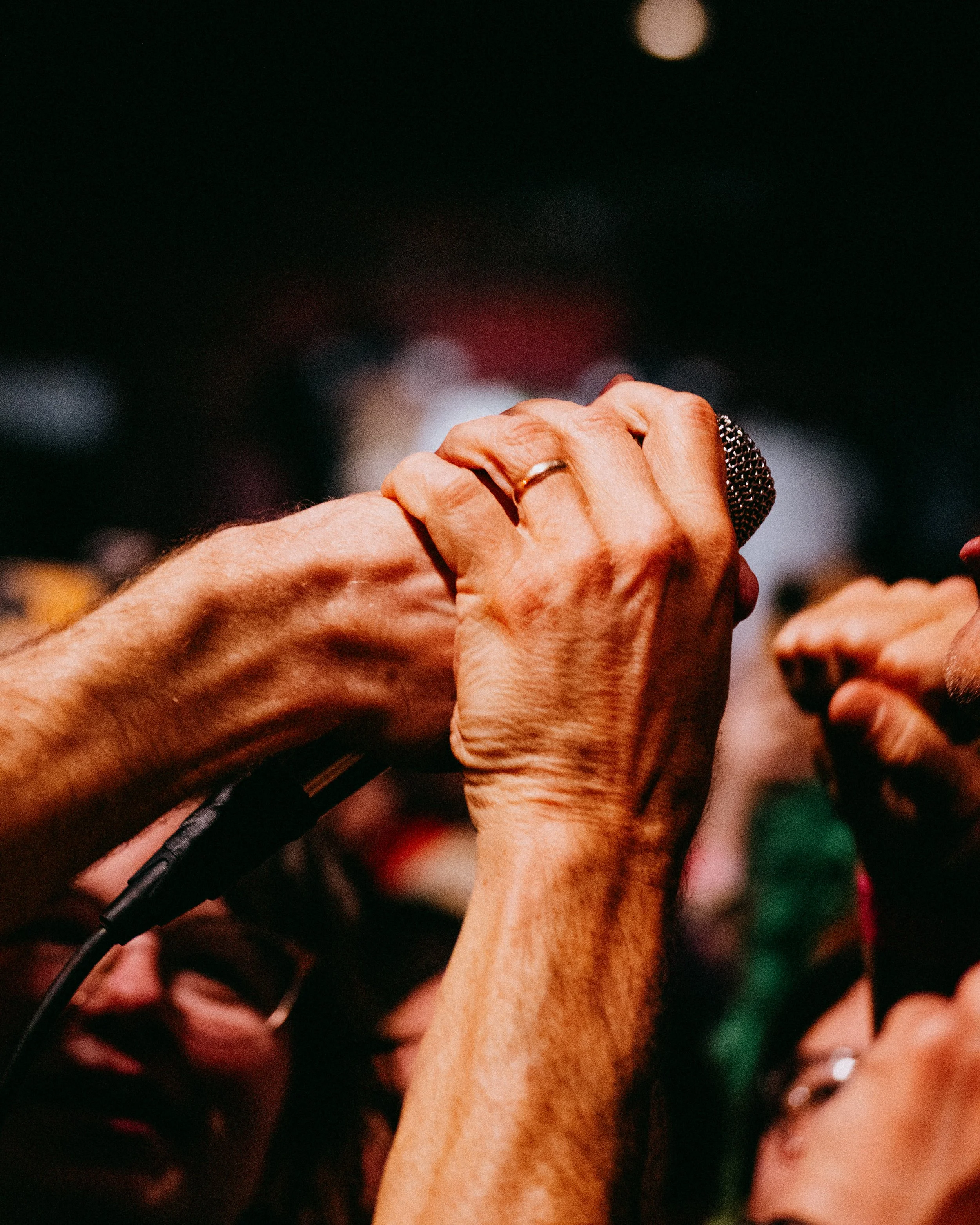
In terms of the live show, Kirch said a large portion of their audience attends six shows or more during one tour. During their set in Brooklyn, O’Callaghan asked the audience to raise their hands if they’d attended a The Maine show before. Nearly the entire audience erupted in cheers and screams, from the balcony to the back row. He then asked how many were there for the first time, which was a smaller group. The band doesn’t rely on paid meet and greets to generate the connection that creates repeat offenders, rather, they envelop the audience in an interactive experience, connecting with the fans and the venue in a fun, organic way.
“We want to put on a show that feels inclusive. Fans are not just sitting and watching, they’re actually a part of it,” Kirch said.
In Brooklyn, for example, O’Callaghan made a noticeable effort to connect with the audience. He read off iPhone announcements held up in the crowd, some that requested songs, some that said “I love you!,” and even one that said a couples’ first date was at a show 10 years ago. The couple is now married with an 11 month old. Three green balloons bounced throughout the crowd for most of the show, an additional nod to the green theme that included the velvet backdrop of the stage and the drum set. At one point, a balloon bounced right to O’Callaghan, who hit it back into the crowd and remarked, “If that balloon hits the floor, kittens die!” That was met with a cheer.
PHOTOS BY ALEIAGH HYNDS
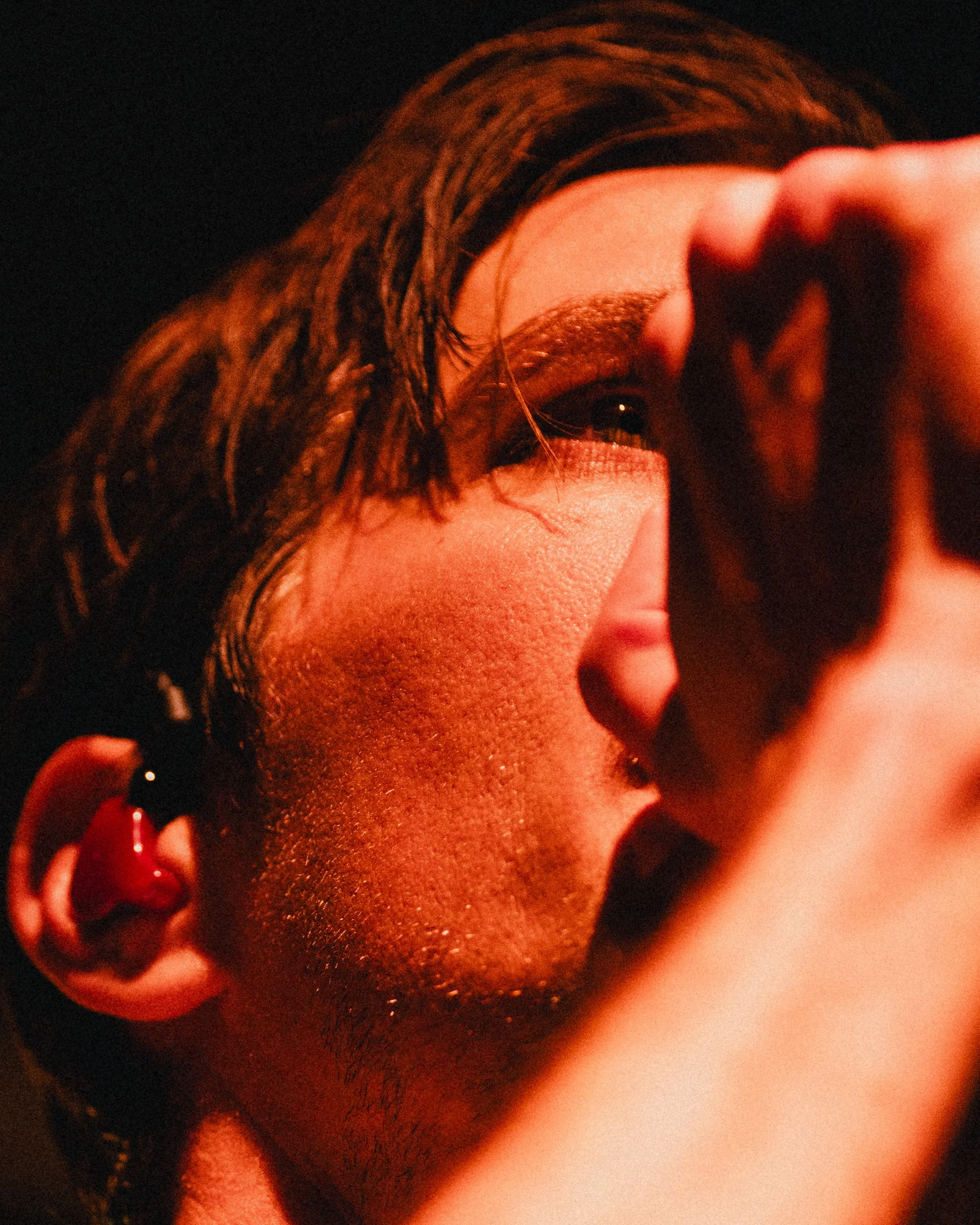
The most notable moment for me, and presumably many audience members, was when O’Callaghan jumped the barricade. He opened a pit in the center of the room during, “We All Roll Along,” a 2008 throwback off Can’t Stop Won’t Stop. The mic was handed off to a lucky fan named Kelvin, (sorry if I’m misspelling that, friend!) who was lovingly called “you cheeky b*stard” by O’Callaghan for the rest of the night. After Kelvin chanted the chorus, the pit crashed together with O’Callaghan at the center. He meandered his way back to the stage while fans continued to repeat the chorus back,
We're alive and we drive to the center of it /
Where we know we're all fine and this just can't be it /
And in the end we all know we only breathe for so long /
So tonight's the night we all roll along.
To close the night, The Maine played a fan favorite, “Black Butterflies and Déjà Vu.” The high energy hit complete with an addictive chorus and memorable melody was an excellent way to end. The strobe lights were in full effect, and O’Callaghan demanded (nicely) that fans boogie to the finale. “If you’re nervous, just close your eyes!” he said, prompting one final dance party. I couldn’t help but feel moved by their performance. It was so human and personable, bringing me back to the core message I know the record represents: joy in the present moment. Concerts are, in my mind, one of the greatest places to practice being present, especially with a band as engaging and talented as The Maine. For an hour and half, I truly was allowed to just be, which considering the week I had was slightly challenging. I’m grateful to The Maine, and every band I see, for allowing me to find moments of comfort in my own chaotic world.
Be sure to check out Joy Next Door and a live show, tour ends May 2 in Dallas, Texas!