Gatlin’s debut album, The Eldest Daughter, is something she “had to make”
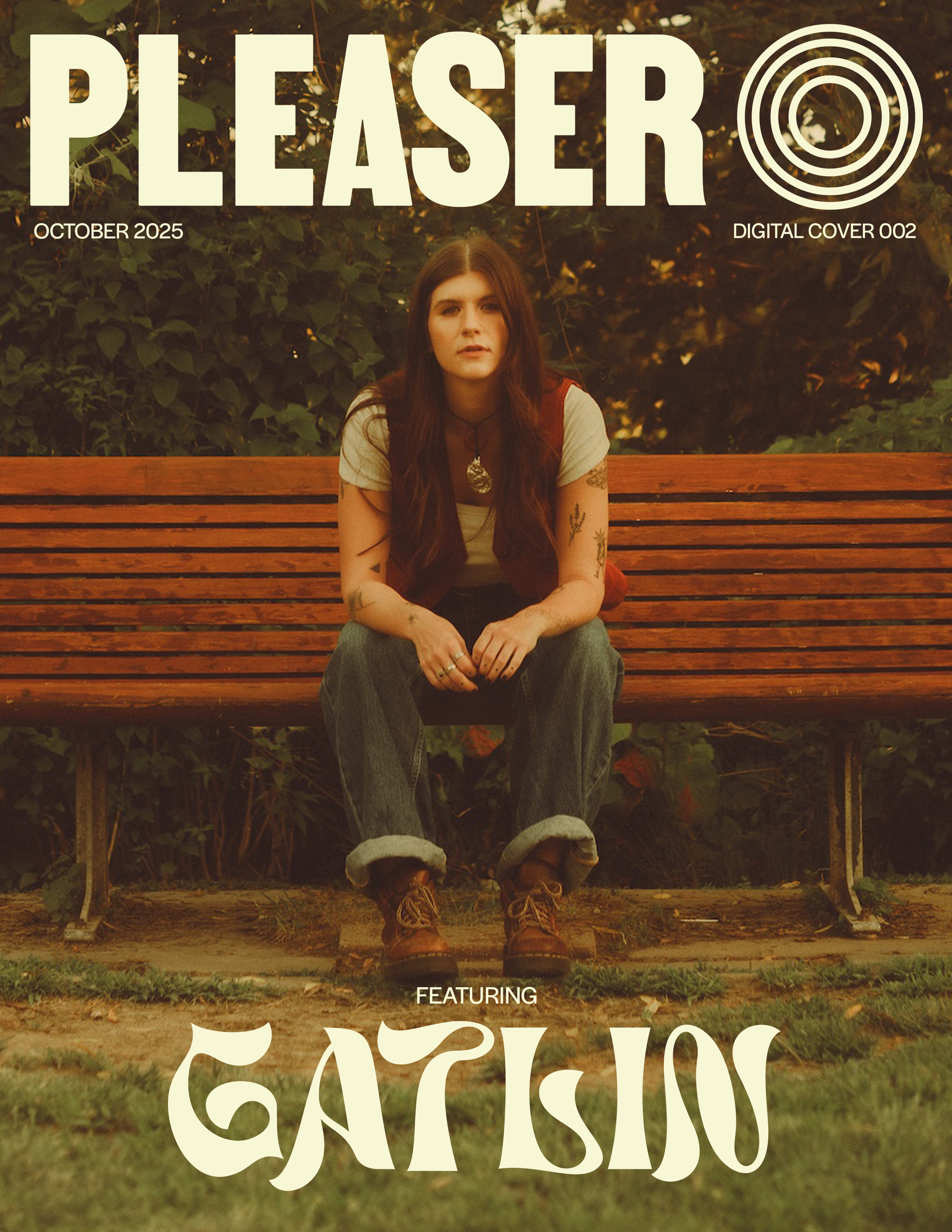
ALL PHOTOS BY VALERIE LOEBLICH
Growing up in Florida, Gatlin Thornton, who performs under the moniker Gatlin, didn’t know a single queer person or Democrat. She was a part of her church and was also a youth leader. However, like many other musicians, being a part of a religious community was not only a part of her introduction to music, it influenced some of the themes of her debut album The Eldest Daughter that comes out today, October 3.
The 10 track album spans a year-and-a-half to two year period of Thornton’s life — from her first queer experience, to reevaluating her religious values and deconstructing the environment she grew up in.
Thornton grew up wanting to be a singer, never growing out of the answer she would give adults as a child. She said the entire time she was pursuing music or trying to make a career out of it, it was delusion that pushed her forward.
It was through this child-like belief and delusion Thornton made her career happen, without any Plan B as a backup. Since 2019, Thornton has released multiple singles and EPs, but has never released a full-length album.
“I think I was just waiting, maybe, for the right partners, or waiting for my career to really take off, or you know, [making an album is] just expensive,” she said. “And I think I just got to this point where I could sit around and wait to blow up before I make my first album, but I think I would rather just, not really play that game anymore and just figure out how to find a partner, and get the money. I really felt like I had to make this album before I could really say anything else or make any kind of other music.”
Before the creation of this album, Thornton thought she might quit music after making pop music in Los Angeles. But taking the pressure off her own success, and returning to the more acoustic roots that she grew up with reminded her why she loves creating music.
“As I was writing a lot of stuff about my childhood, I wanted to go back to what I was listening to growing up, and what I was surrounded by, and how I started writing songs,” she said.

Diving into the album
First track “Florida Man” opens with steel guitars, throwing listeners into sounds traditionally associated with music made in the Southern U.S. – think something like a 90s country ballad. Thornton effortlessly combines this sound with an indie rock rhythm section, making a blend of her past and present.
“You know how in Wicked, they'll show the end in the beginning of the movie, and then they'll go back to the beginning?,” Thornton asked. “I kind of feel like ‘Florida Man’ is the [song] where I'm like, ‘I'm free, here I am. I've landed. And then it kind of goes back to the beginning.
These sonic themes continue throughout the album, a blending of traditional country and indie rock sounds against lyrics about looking at your childhood in a new light, and finding your true self in those you love.
Thornton develops a crush on a girl and says if it was a man, she’d be in love, she tries not to drag down the listener with her familial issues in “Soho House Valet,” and expresses her desire to be loved and accepted for who she is in “LOVE ME.”
“The South typically is stereotyped as having certain political beliefs that I’m singing against or talking against,” Thornton said.
As part of this album, Thornton reevaluates her relationship with religion, particularly seen on songs like “The Hill.”
“‘The Hill’ is definitely my personal song about feeling like I lost my relationship with God. So that one was a really freaking hard one to write,” she said.
She felt like she’d lost her entire identity especially because she was a worship leader during a large part of her life. Growing up with worship music inspired the stacked vocals backed by a single, quiet, organ-like note that comes at the end of “The Hill” and is reminiscent of church music.
In the song she says “I didn’t leave you in an instant / It happened over years / Started slipping through your fingers / The more life interfered.”
Even though she wrestled with the religion she grew up with, she said she’s found her way back to it in a way. There were many things, Thornton said that brought her comfort and with time, she was able to find her own relationship to faith.
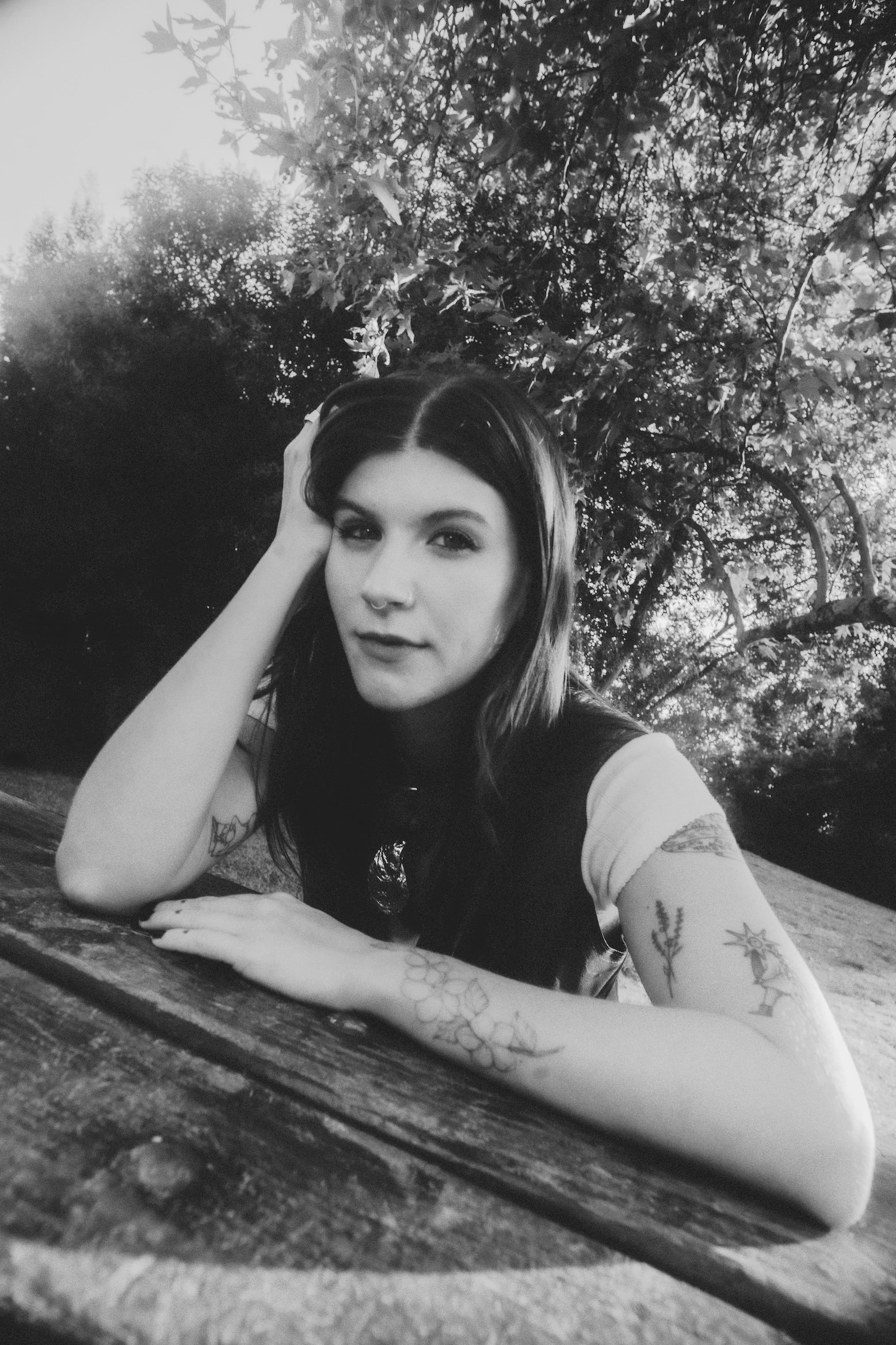
“I have kind of come back around to a place that feels more my own, and more personal and definitely rooted in so much love and connection with everyone,” Thornton said.
However, just because she’s found her own relationship with religion, that doesn’t mean she condones the way some groups represent it, as seen in “Jesus Christ and Country Clubs.”
In the song, she said she points out the “bad parts” of Christianity like MAGA Christianity and “the self righteousness part of it, like we’re better than everyone, what we believe is right and everybody else is wrong.”
Through this latest project, Thornton wants to try to be an artist she wanted to see when she was a kid, someone who told her she wasn’t alone in asking questions, challenging thoughts, and also had experience growing up in the South.
When looking at the album as a whole, Thornton said she thinks the right people will connect with The Eldest Daughter. She added she’s never been so proud of herself not only in making the album, but doing the emotional work of being raw and vulnerable.
“People in my personal life have just been really encouraging and said even personally, I've transformed as a person in the last year and a half, two years,” Thornton said. “This is definitely something tangible I can point to and show as, like, ‘look at all of this work I've done on myself.’”