Suki Waterhouse Requires Your Close Attention in ‘Loveland’
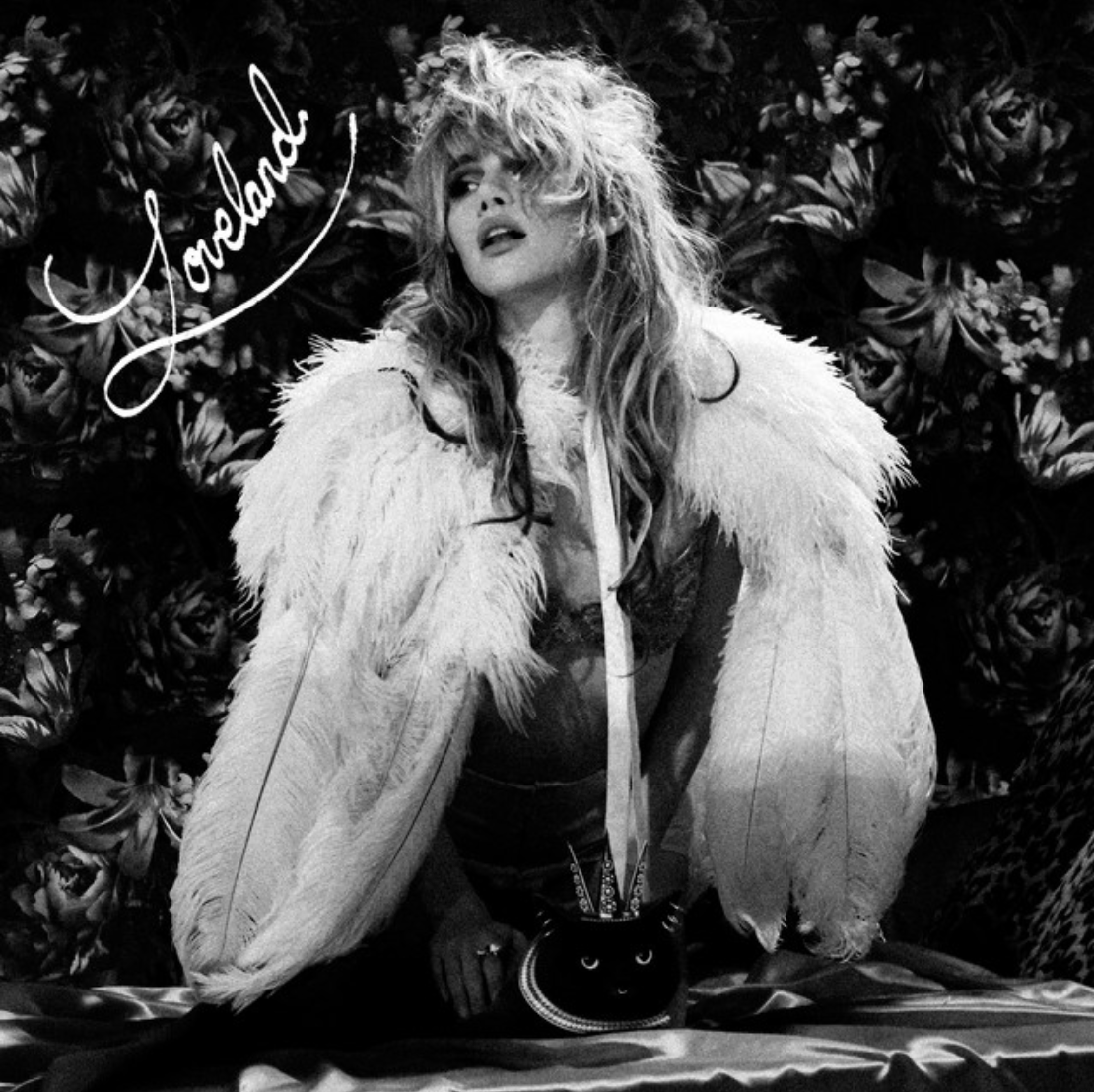
Suki Waterhouse’s third album Loveland, released on July 10, is her most intimate work yet, both atmospherically and lyrically. The album is smoky and sultry, like you’re sitting a little too close to someone on the couch after a few drinks. Within every song, Waterhouse divulges in telling about her recent foray into motherhood, love and embracing her desires.
Opening track “Back in Love” throws the listener into the project with a fanfare of trumpets, guitar, soft chimes and synths. Waterhouse’s silky voice floats over the piano and bass line as she tells the listener her feelings when in love. This swanky song is an expensive introduction that reflects on past works but moves forwards – showing Waterhouse’s growth as a musician and her willingness to push herself within the sounds that she’s created.
“When I Get Drunk (I Want You Boy)” is one of Loveland’s slower songs, heavy on bass, piano, and laying your feelings bare. Despite the title of the song, the sentiments expressed throughout paint a picture of an unhealthy dynamic: “When I get drunk, I want you, boy / Don’t matter how you treat me so bad / oh, I love it / cause you don’t wanna play nice.” Throughout the song, Waterhouse uses backing vocals to express her inner desires as seen in “I love it” and “tell me how it is.” Even though she says she’s being treated badly, there’s a deeper part of her that looks forward to seeing this man.
In the back half of the album, “Seasons” sounds straight out of the third act of a rom-com. Its synthesizers and Waterhouse’s melancholic tone set the listener on a sidewalk in a bustling city, contemplating recent life choices. In an album that features plenty of cheeky lyrics and upbeat melodies, this song takes a second to reflect deeper on the impact of choices and how life continues to move forward.
In “Tiny Raisin” Waterhouse speaks to the complex dynamic between her and her partner, Robert Pattinson, and how despite the rough patches, he’s still who she wants to be the father of her child. The song itself is gritty, utilizing a hazy vocal effect, and driving rhythm section to keep the song pumping. As one of the more upbeat songs on the album, it helps to keep interest throughout the back half of the album, showing how important song order is in telling a story throughout an album.
Title track “Loveland” leans on a fuzzy guitar, the Americana of the Southwest and a 1970s vibe to create a whimsical, slightly playful tune. A common theme throughout the album, the love discussed is one that ultimately kills her or causes her harm: “Into your Loveland / holding a gun / But I’m the one who dies at the end / Bury me in your Loveland, the Arizona sun.” Waterhouse uses a softer version of her more alto-toned voice, giving the song a trippy pulse.
As Waterhouse continues to release music, each project matures with her, becoming more cohesive and cinematic. In writing a soundtrack to her recent life, she is in turn creating a soundtrack for others who see themselves in new motherhood, complex partnerships and feelings of loneliness. Her voice and sound is unique in the indie-pop scene, and through Loveland, she reminds listeners why they should keep an eye on her career.