
Fontaines D.C. Finds Beauty in the Darkness on Dopamine Chamber
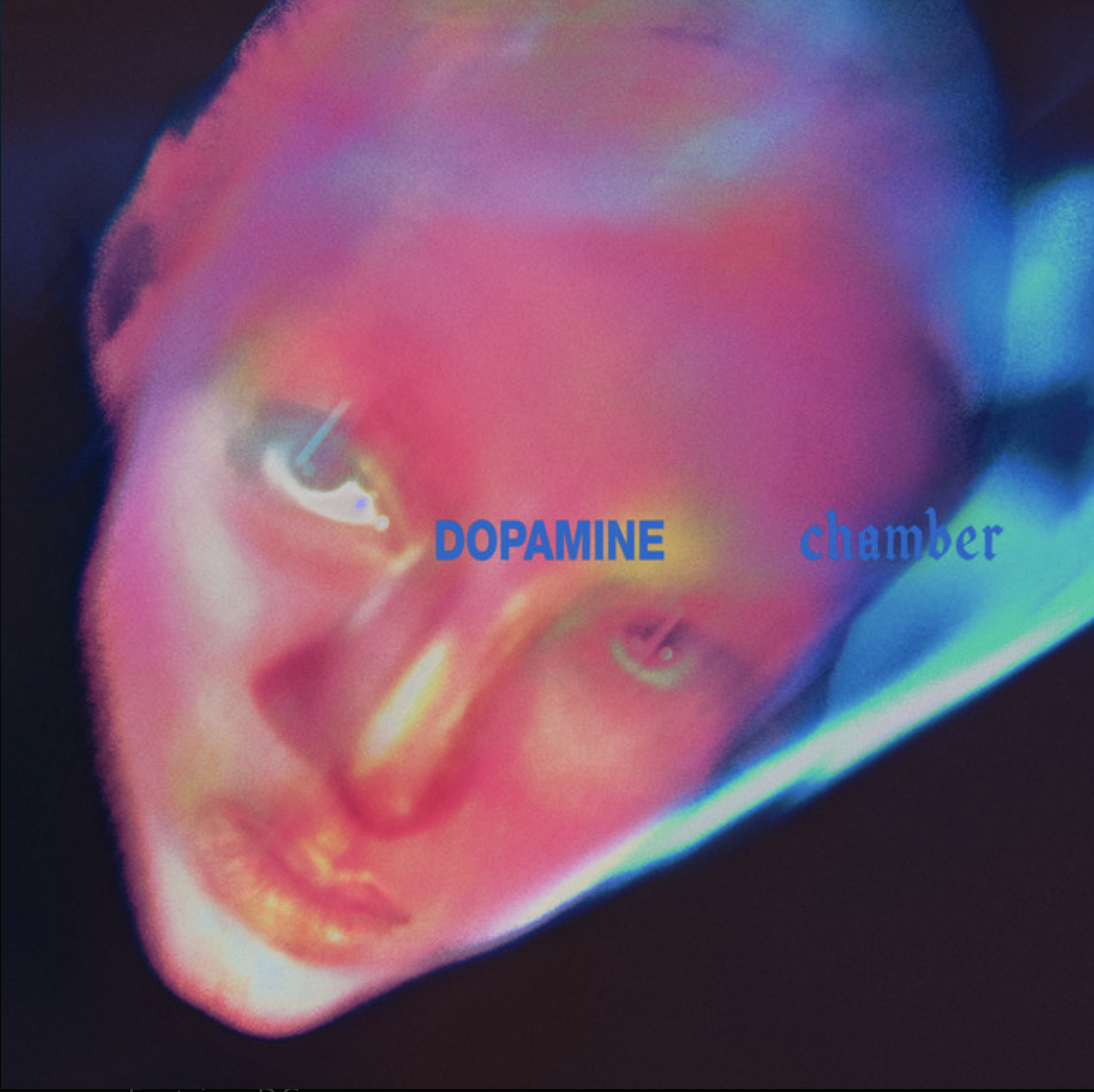
There’s something incredibly exciting about watching a band grow into their own world without losing the qualities that made them special in the first place. With Dopamine Chamber, their fifth studio album, Fontaines D.C. continues to prove that evolution doesn’t have to come at the expense of identity. Instead, the Dublin five-piece sound more assured, more ambitious and more compelling than ever, delivering a record that feels both beautifully unsettling and completely absorbing.
Following the success of 2024’s Romance, which saw the band expand their sound and reach a considerably wider audience, Dopamine Chamber feels like a natural next step, albeit one that takes them somewhere darker. The jagged post-punk urgency of their early work has gradually given way to something more expansive and atmospheric, with brooding electronics, enormous melodies and a cinematic sense of scale. Yet beneath the increasingly ambitious production, the band’s defining qualities remain intact: sharp songwriting, an instinct for a memorable hook and Grain Chatten’s unmistakable ability to make even the simplest line feel loaded with meaning.
The album’s central themes of escapism, desire and modern disillusionment give its title an especially fitting resonance. In a world increasingly dominated by instant gratification and endless distraction, Fontaines D.C. explores the uneasy relationship between pleasure and emptiness. Rather than approaching these ideas with a heavy-handed sense of moral superiority, they wrap them in music that is gorgeous, hypnotic and difficult to resist. There's a fascinating contradiction at the heart of the record: the songs invite you in even as their lyrics question what exactly you’re being drawn towards.
Lead single “Marianne” captures this tension particularly well, pairing a relentless, pulsing rhythm with a darkly seductive atmosphere. It’s the sort of track that seems to gather momentum with every passing second, drawing the listener deeper into its orbit. Elsewhere, “Mimesis” and “Demolition” demonstrate the band’s willingness to move between textures and intensities, while “Happy for You” offers a more reflective, melodic counterpoint. These mood shifts give the album a progression and depth, making it feel less like a collection of individual songs and more like a carefully constructed world of its own.
Chatten remains central to that world. His vocal delivery has always been one of Fontaines D.C.’s greatest strengths, balancing poetic detachment with an intensity that can turn suddenly visceral. Here, he leans further into that duality, sounding at once inviting and unsettling, as though he knows something the listener doesn’t. His lyrics retain their characteristic ambiguity, leaving space for interpretation without losing any emotional impact. It’s a distinctive approach that prevents the album’s grander moments from becoming impersonal; even when the music reaches its biggest, most widescreen proportions, a human voice remains at its center
What makes Dopamine Chamber particularly impressive is the confidence with which the band embraces their expanding sound. There’s always a risk that a group can lose something of themselves as they move towards bigger stages and more ambitious production, but Fontaines D.C. seems increasingly comfortable with that scale. They aren’t simply trying to make their music louder or more accessible. Instead, they use that extra space to explore moods, build tension and create moments that linger long after the songs end. The result is an album that feels adventurous without being directionless, and polished without losing its edge.
The willingness to keep moving has been central to the band’s appeal since Dogrel introduced wiry guitars, vivid imagery and a distinctly Irish perspective in 2019. Across A Hero’s Death, Skinty Fia and Romance, they have steadily resisted the temptation to repeat themselves, each record revealing another side of a band seemingly uninterested in standing still. Dopamine Chamber continues that trajectory, taking the stylistic expansion of their previous album and giving it a darker, more psychologically intriguing dimension.
Ultimately, this record is a rewarding listen because of the band’s balance between grand ambitions and a genuine sense of unease. Beneath the towering melodies and meticulously crafted arrangements lies a band asking uncomfortable questions about the world around them, and about the things we turn to for escape. There’s beauty here, certainly, but rarely the uncomplicated kind. Even the most immediate moments seem to carry a shadow, giving the album a depth that rewards repeated listens.
Fontaines D.C. have reached a point where they could quite easily settle into the sound that brought them their biggest audience yet. Instead, Dopamine Chamber finds them pushing further into unfamiliar territory and trusting their instincts, making their music stranger, darker and more ambitious. It’s a thrilling reminder of what makes the band so special.
With Dopamine Chamber, Fontaines D.C. sounds like a band entirely comfortable with their own ambition, and still hungry enough to challenge themselves. For a group whose greatest strength has always been their refusal to stand still, that feels like their most exciting achievement yet.