Q&A: Inside Accelerator, the Album That Redefined Bad Suns

PHOTO BY SARAH EISEMAN
For over a decade, Bad Suns have carved a lane of their own in the alt-rock world with hits like “Cardiac Arrest” and “Daft Pretty Boys” as well as multiple successful world tours and records. But Accelerator, their latest and most adventurous studio album, marks a distinct shift; Not just in sound, but in purpose. In a conversation that mirrors the emotional honesty found across Accelerator, Christo Bowman opens up about self-reflection, creative renewal, and reinvention.
From the late-night revelation that sparked one of the album’s most powerful tracks, to the cinematic vision that shaped its emotional arc, Accelerator isn’t just a collection of songs, it’s a turning point. Throughout the making of the record, Bowman found himself reconnecting with what initially made Bad Suns so special, only this time, with more intentionality, vulnerability, and joy. As Bowman reflects on the band’s growth and future, one thing is clear: Bad Suns is not just evolving, they’re accelerating toward something greater.
PLEASER: This album feels deeply personal, particularly with its themes of self-reflection, accountability, and growth. How did your own life experiences shape the emotional tone of Accelerator?
Christo Bowman: The music and melodies arrive in a mysterious process, almost like channeling, and then writing the lyrics becomes a way for me to decipher the emotions driving the music.
I’m trying to make sense of what I’m feeling by writing these stories. Sometimes I’ll convince myself that I’m writing from the perspective of a fictional character, and that will help me loosen up and get vulnerable. Then I’ll read the words back later and realize it’s all me.
There’s a great Ralph Waldo Emerson quote: “Fiction reveals truth that reality obscures.” That idea really resonates with me.
What do you hope fans feel when they listen to this album front-to-back for the first time?
CB: It’s a rollercoaster ride of emotions and ideas. I think it’s a record that requires time in order to be fully understood, yet I think we managed to pull that off without sacrificing its ability to be appreciated at face value.
My favorite movies are the ones that leave me thinking ,“Wow. I need to see that again,” as soon as I finish them for the first time. The same goes for books and albums. I hope this can become one of those for people.
You’ve called the Infinite Joy EP a “new beginning.” What emotional or creative breakthrough happened during that process that led you to the creation of Accelerator?
CB: I love Infinite Joy. It came about at a moment when we desperately needed to take the pressure off of ourselves and fall back in love with being in this band.
After we finished and released that EP, I felt ready to get serious again. Accelerator was a mountain ahead of us, waiting to be climbed, and I was really excited by the challenge.
Making Accelerator was a labor of love. It ended up becoming the most fun album-making process of my life.
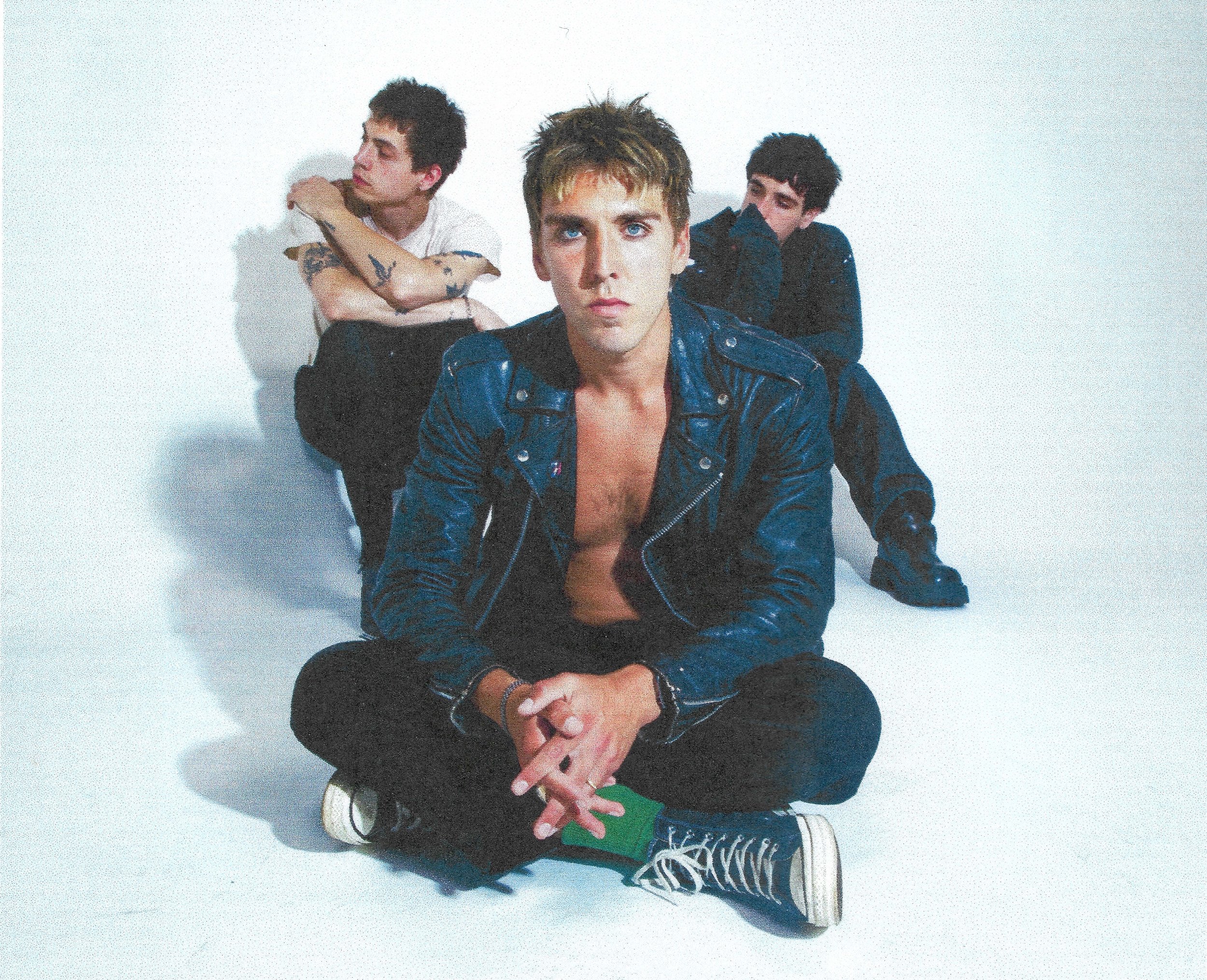
PHOTO BY JAXON WHITTINGTON
You mentioned incorporating Japanese City Pop and ‘90s house influences in this album. What drew you to those sounds, and how did they connect with what you were trying to express?
CB: It’s what we listen to. We’re guided by our taste and our love for the music.
We knew that with this record, we wanted to take the sound of Bad Suns to new heights.
Dance music felt like natural territory for us to venture out towards because of how fresh and exciting it was for us, as well as how tangential it is to what we’ve made in the past. We were able to move forward without losing touch with our roots.
The city pop influence manifested itself in the form of the chord voicings and guitar tones I gravitated towards, as well as how the guitars, bass, synths, and drums all interface with one another in the production, notably on tracks like “Communicating” and “Do The Twist Of Fate”.
What song was the most fun to make on the album, and why?
CB: Recording “Slow Karma” was certainly a climactic moment in the studio for the band.
“Ready To Take Flight” was probably my favorite song to record, and “Back To Zero” may have been my favorite song to write. They both came about after we thought we had completed the album.
On the eve of Halloween 2024, I came home from the studio and I found out I was going to become a father. I stayed up late that night while the information sank in. At some point, I picked up my acoustic guitar and the song “Back To Zero” arrived out of nowhere, fully formed. It doesn’t happen that way very often. It felt like the universe’s way of saying, “Things just got real and you need one more banger.”
Over the next week, as my worldview continued to expand and shift, I wrote the song “Ready To Take Flight” which became the definitive snapshot of my life at the time of Accelerator’s creation.
Recording that song was a particularly surprising and exciting experience. We had so much fun experimenting in the studio. It all felt so effortless and satisfying. We were riding high off of the momentum of all that had come before it. By the end of those sessions, I was quite amazed by what we had accomplished.
You’ve been making music for over a decade now. What drives you to keep evolving, and how does Accelerator fit into the broader story of Bad Suns?
CB: The bliss of discovery and our love of music. It’s endless. Accelerator is the sound of the band renewing our vows.
This is your first studio album as a trio. How did that affect the music-making process? Did it make space for anything new, creatively or personally?
CB: There are no passengers in a trio. The last few years have seen each of us fulfilling our roles more purposefully and intentionally than ever before. I think it all had to happen exactly as it did in order for us to get to this point, and so I’m grateful for all of it.
Was there a song that almost didn’t make the final cut of the album? If so, why?
CB: Once we finished recording, the album revealed itself very clearly to us. It’s the first time in the history of the band where the very first sequence I made became the final track list, and we never had a single argument about any of it. There are two songs we recorded that were left off the album. They’re good songs, they just didn’t feel inherently connected to the body of work.
When you look back on this album in five or ten years, what do you hope it represents for you and the band?
CB: I would like to look back at this album and see it as the moment where we really hit our stride.