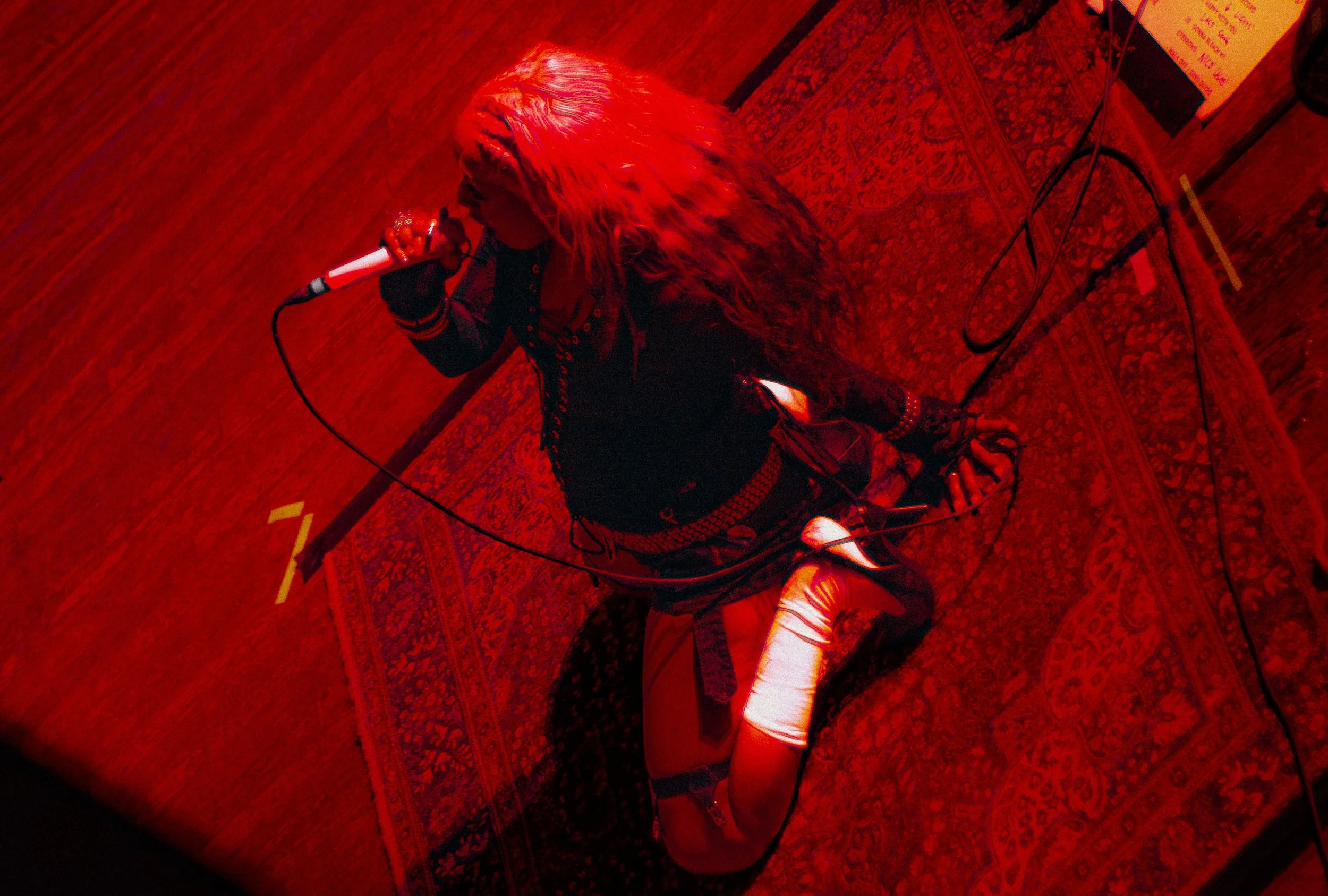
From the road, alt-pop artist Alemeda spoke with Pleaser about friendship break-ups, opening for Isaiah Rashad on their current tour and, most importantly, how being a hater has influenced her discography.
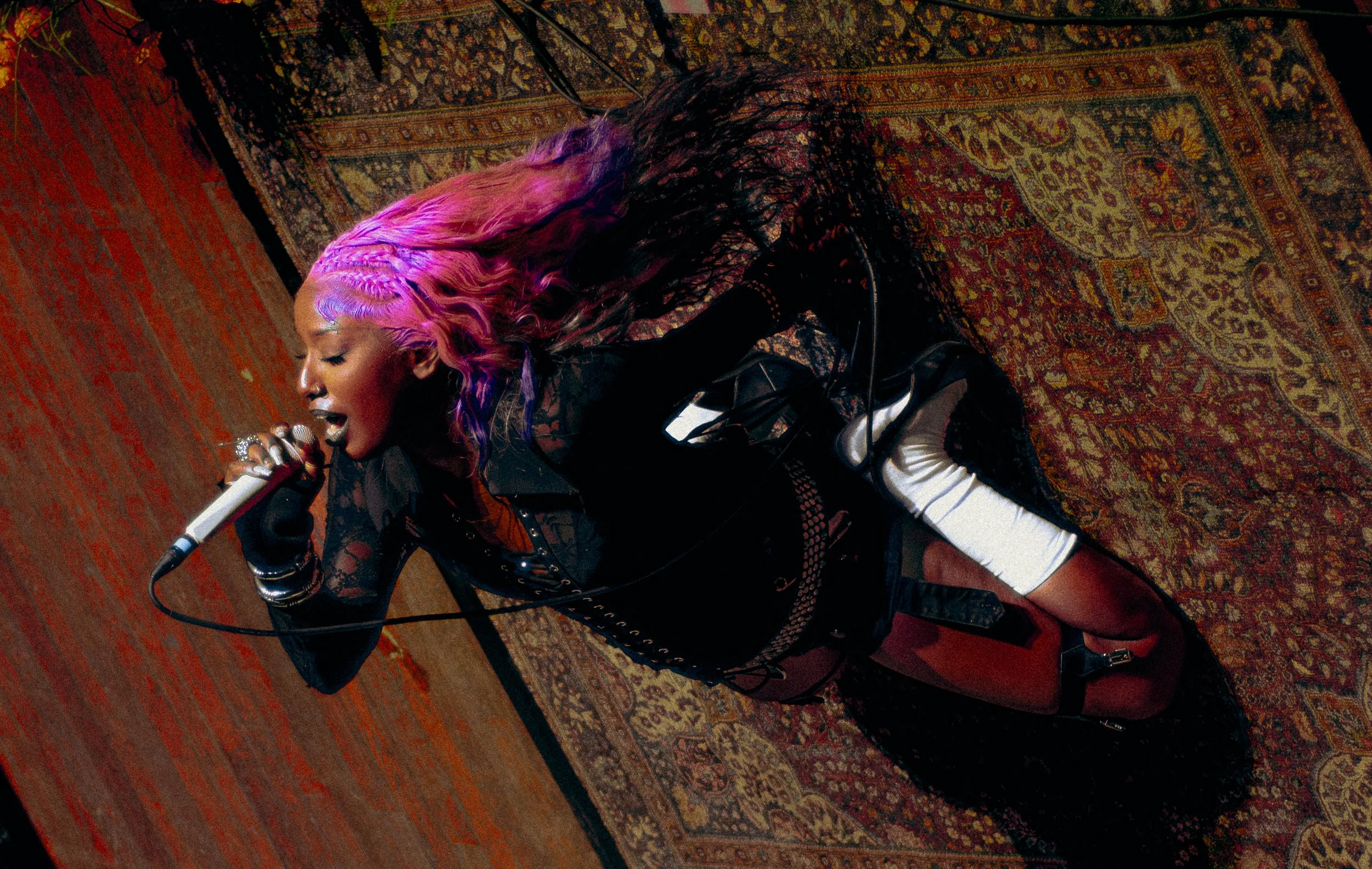
Break-ups suck. Without warning, the mind examines the details of every interaction before, during and after. Determining the reasoning means conflating instances of harmless conversation with moments of magnitude. The quiet periods between distractions are especially painful, when this new reality settles around you. It’s uncomfortable, alarming, unsettling. Oh, did you think I was talking about romantic relationships? No, no, no, this is friendship break-up 101. If anyone knows a thing or two about a friendship gone wrong, it's Los Angeles based alt-pop artist Alemeda. So much so that she based her entire first EP, FK IT, off of a particularly painful split.
As a self proclaimed misandrist, Alemeda focuses most of her time and energy on her female relationships. During an interview with Pleaser, she described what many non-men recognize; friendships between women and non-men provide an emotional kinship that male-centered romantic relationships hardly replicate. Rarely do they provide the same steadfast, symbiotic, supportive connection that all women share with their besties. That’s why the demise of a friendship can truly feel like a funeral.
As Alemeda put it, “Men don't know how to be good friends. They aren't there for you in the same way.”
One of the songs off of the 2024 EP FK IT, “Not Asking For Much” is emblematic of the emotions that emerge during the ending of a friendship.
The slow, guitar-driven intro makes way for the melancholic first verse. Alemeda describes wanting to get something off her chest, but her counterpart won’t hear her out. Well, more accurately, they shoot her down for trying to speak her mind. The chorus elaborates on her wishes,
“Yeah, I've held my weight now
And I've cried the tears, yeah
And I wish you would hear me out
I'm not asking for much, I just need.”
This situation frequently plays out when relationships crumble, but at a friendship's end, it’s even more sinister. When one is used to sharing their deepest secrets with another, the transition away is harsh.
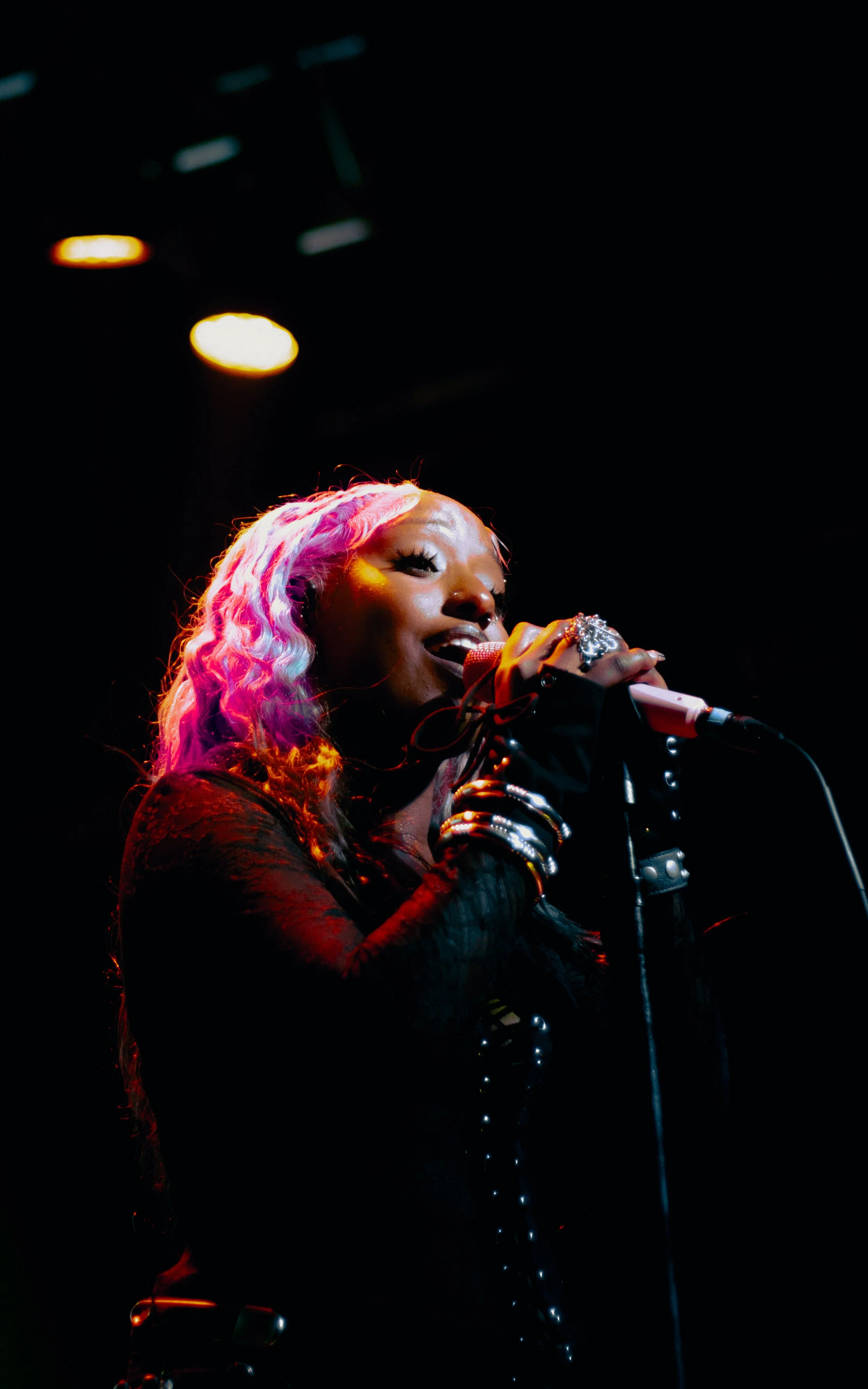
Alemeda said another song from FK IT is an excellent entry point to her catalogue: “I hate your face.” Not only is this tune an essential Alameda listen, it also perfectly summarizes her (and sometimes my) general mood. To put it bluntly: a hater.
“No matter what, I'm gonna be a hater. I’m the biggest pessimist,” she said.
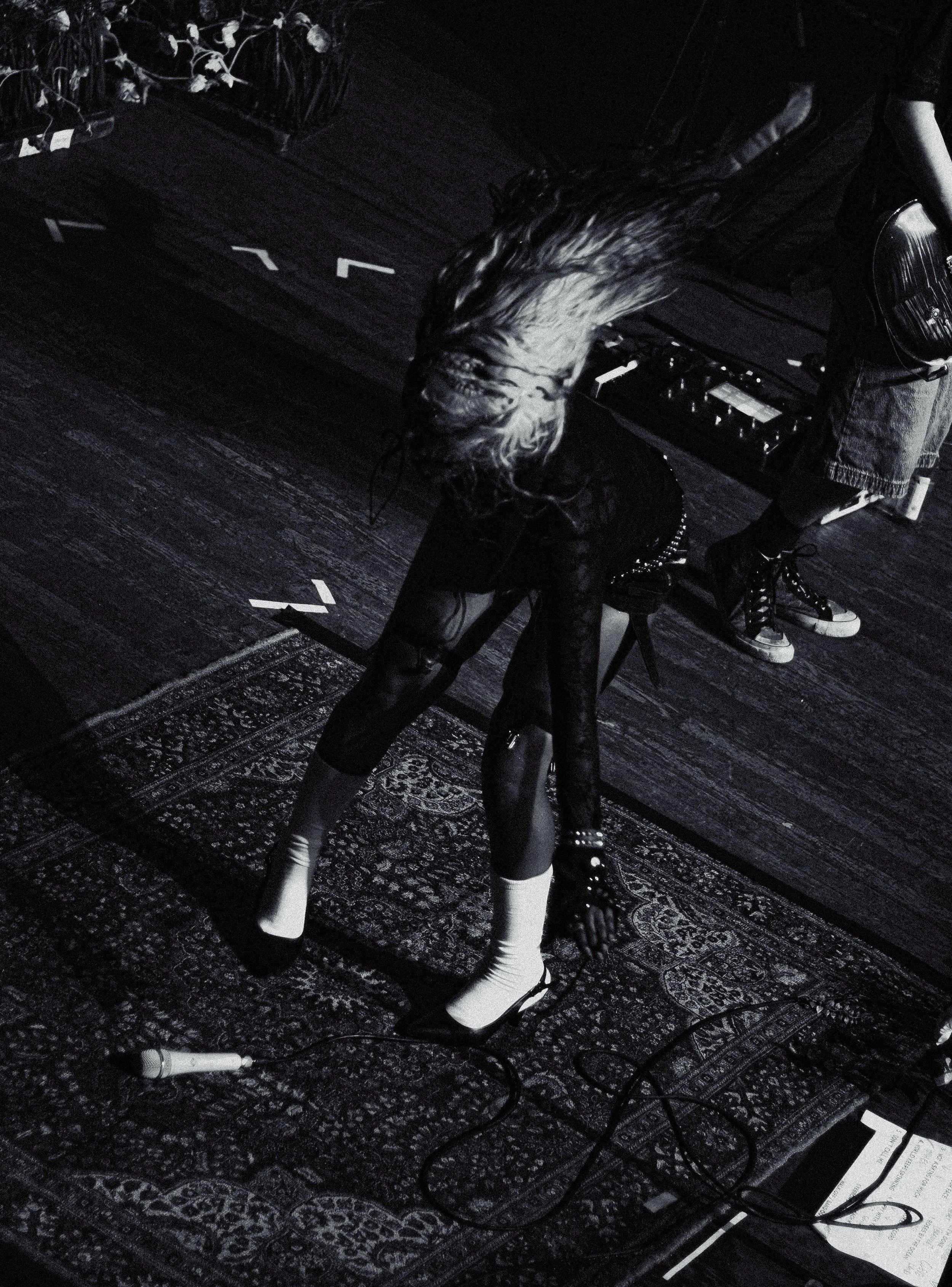
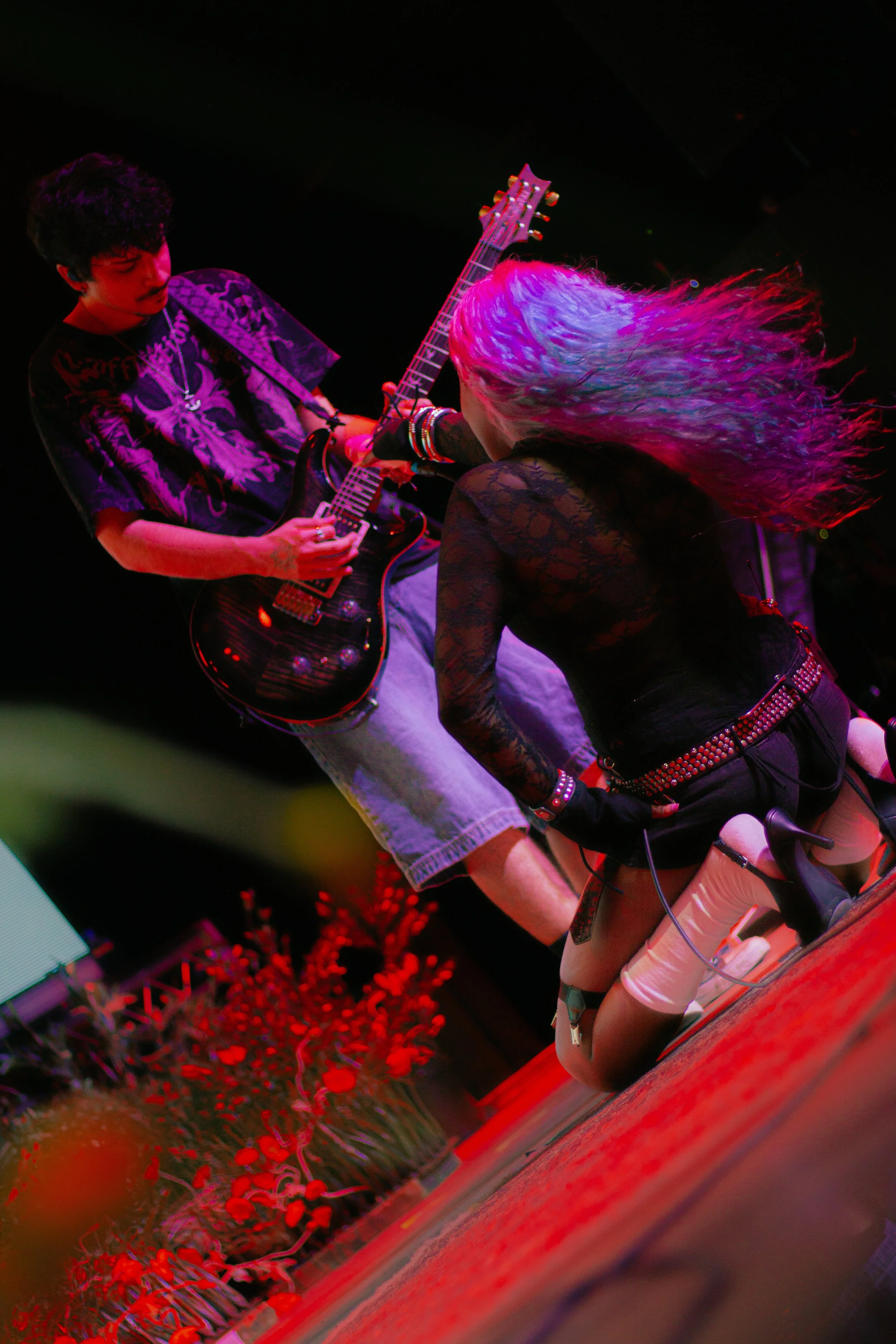
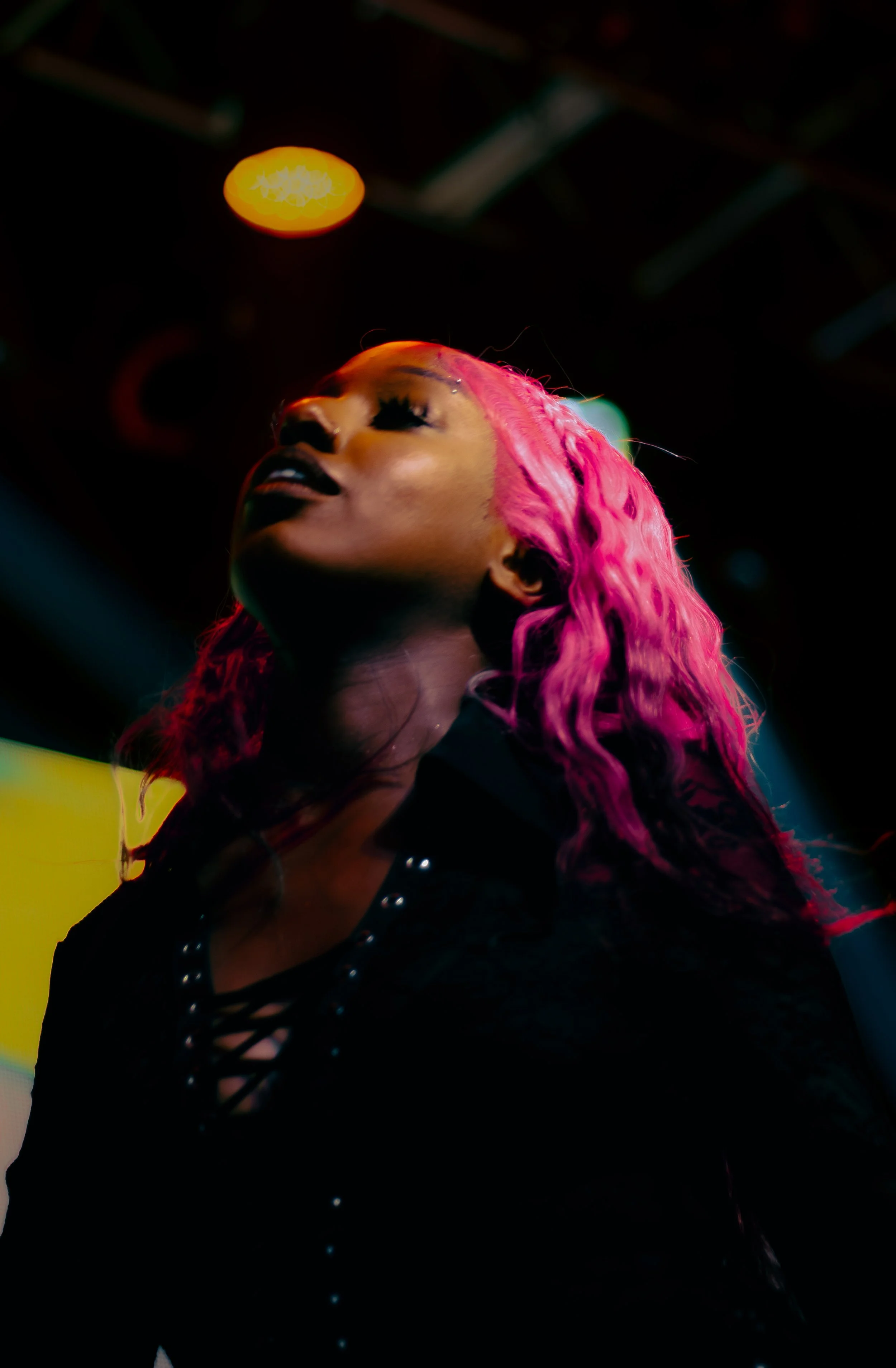
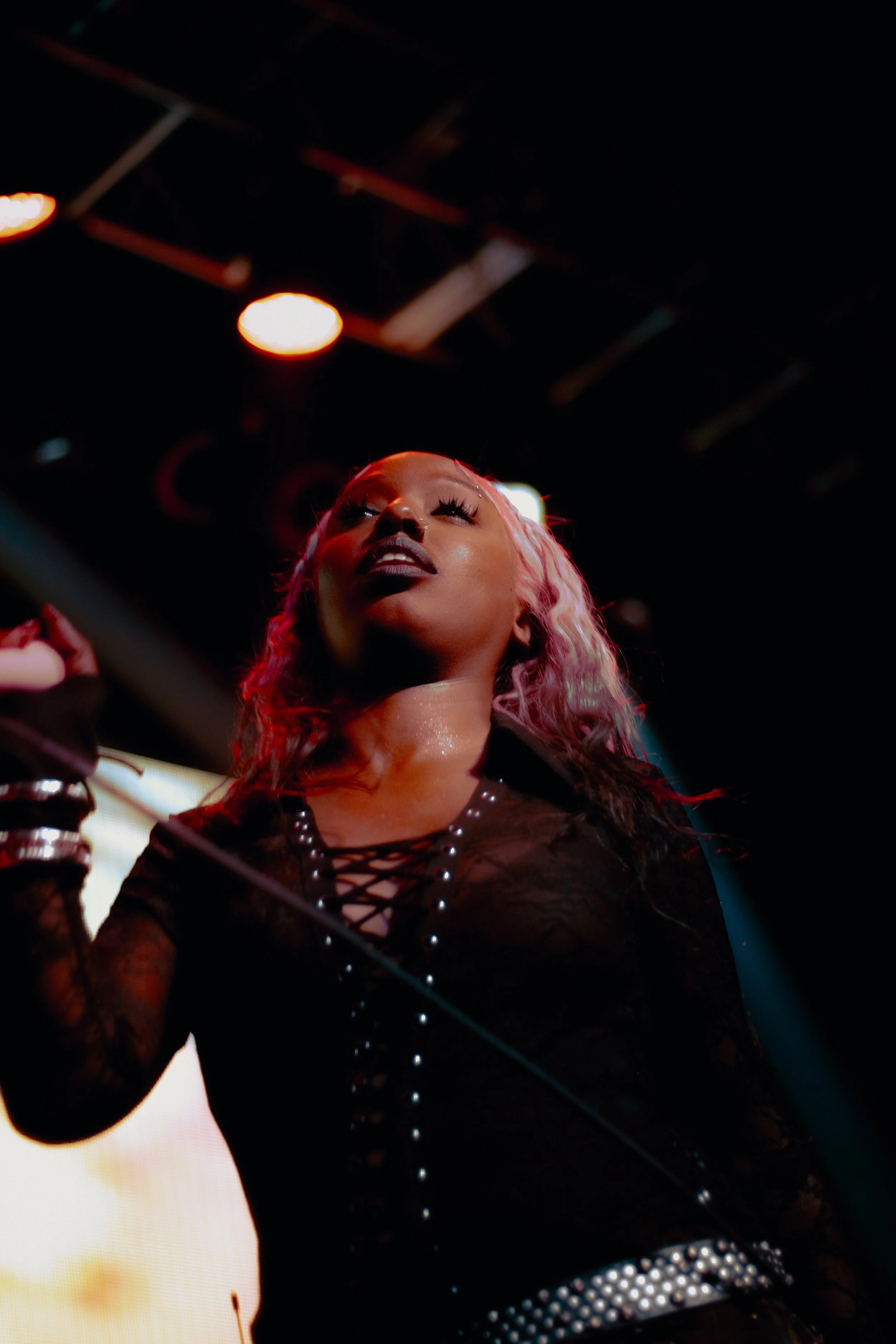
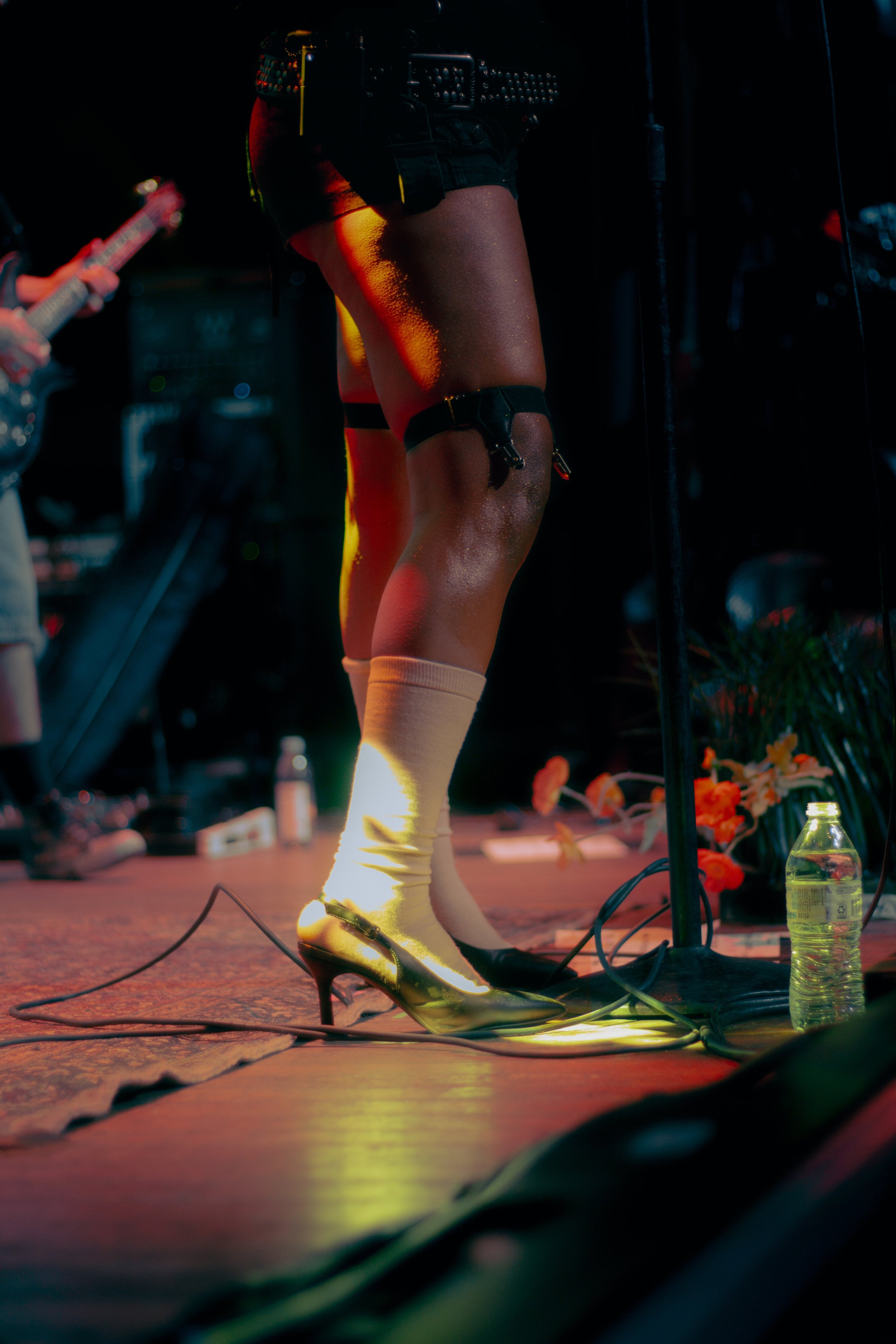
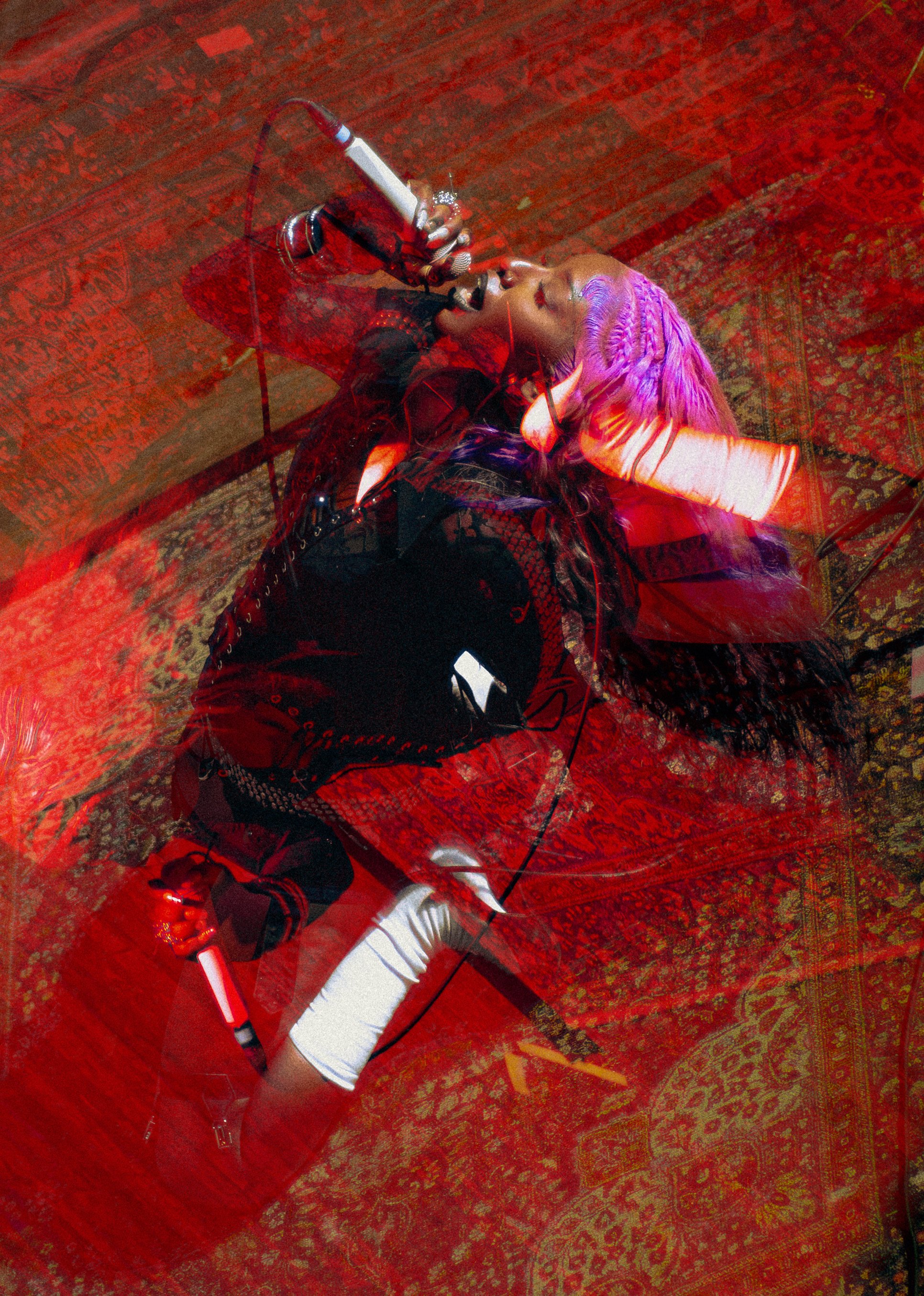
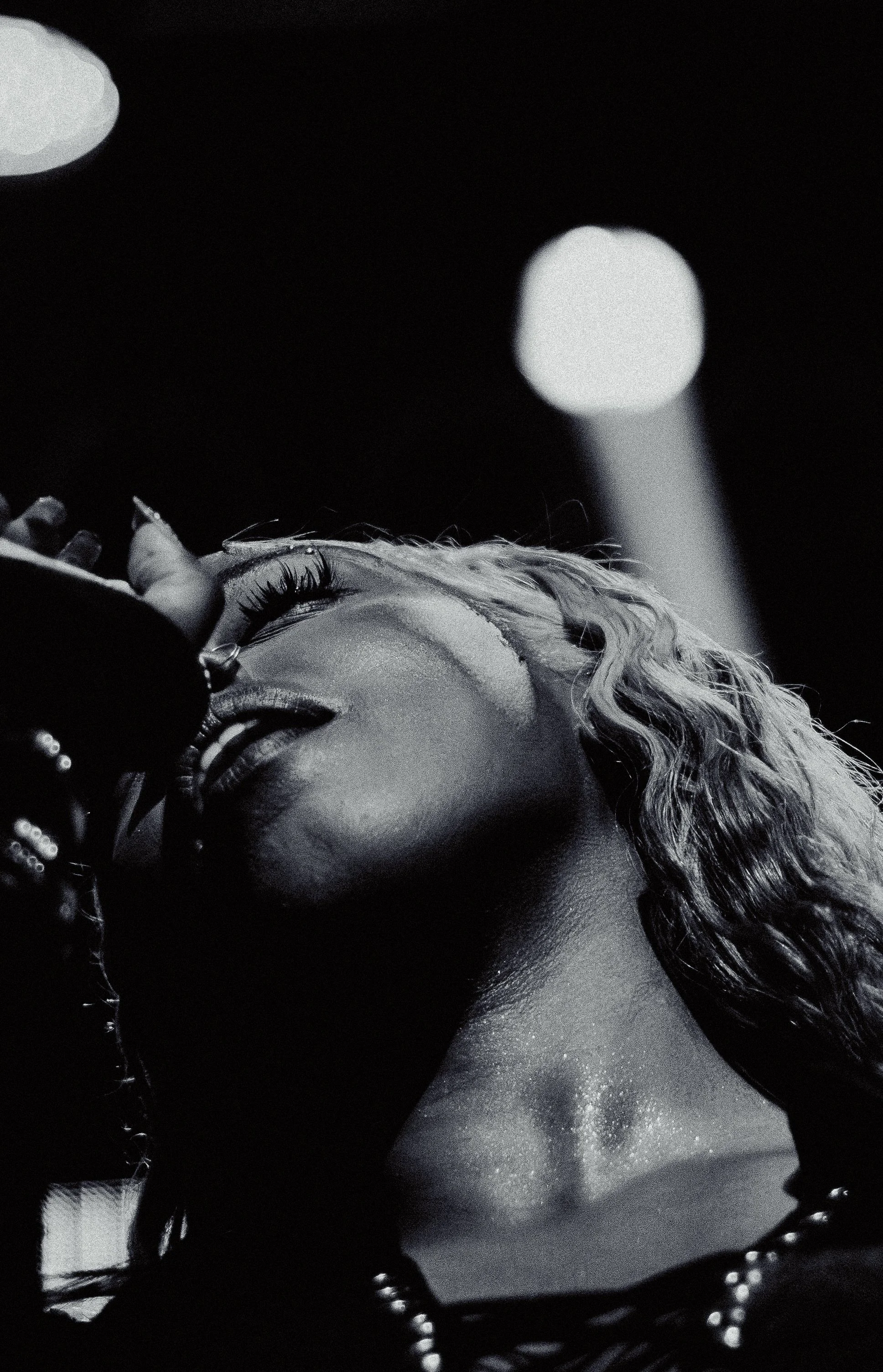
On August 21 at House of Blues in Boston, “I hate your face” was the second song on her setlist of nine. Opening for Isaiah Rashad on his Lil Sunny’s Awful Road Trip Tour, Alemeda had a short window to show the audience who she was. She made the most of the moment. By the end of the sixth song, she had the crowd in a chant of “Alemeda!” Whether it be for her ethereal voice, an outfit made for the stage, or the montage of cat clips rotating on the screen behind her, I can't be sure. But I do know at least half of the crowd went home with Alemeda typed into their Spotify search bar.
What makes an Alemeda song special is the juxtaposition between lo-fi, casual beats and lyrics that pack a literal punch. In person, the beats hit harder and the lyrics were more lethal. Live shows have a way of highlighting the best in an artist, and Alemeda was no exception.
The chorus of “I hate your face” summarizes the main message of both this track and Alemeda’s general disposition.
“I hate you, I hate your face
I hate you a little more every day
Go get a job, educate
Your ignorance makes we wanna suffocate
Toss out your prayers
'Cause they're not coming through
And I'm not a hater, but I sure hate you.”
Alemeda said that, in her opinion, her hater outlook stems from her childhood. Raised between Ethiopia and Arizona, her strict household banned contemporary music. Her main exposure to songwriting and music in a modern setting was Disney Channel original movies like High School Musical or Camp Rock. In Ethiopia, she listened to an FM radio station during drives and watched MTV Arabia, both of which gave her a window into the western music. “There was a lot of Usher and Rhianna,” she joked.
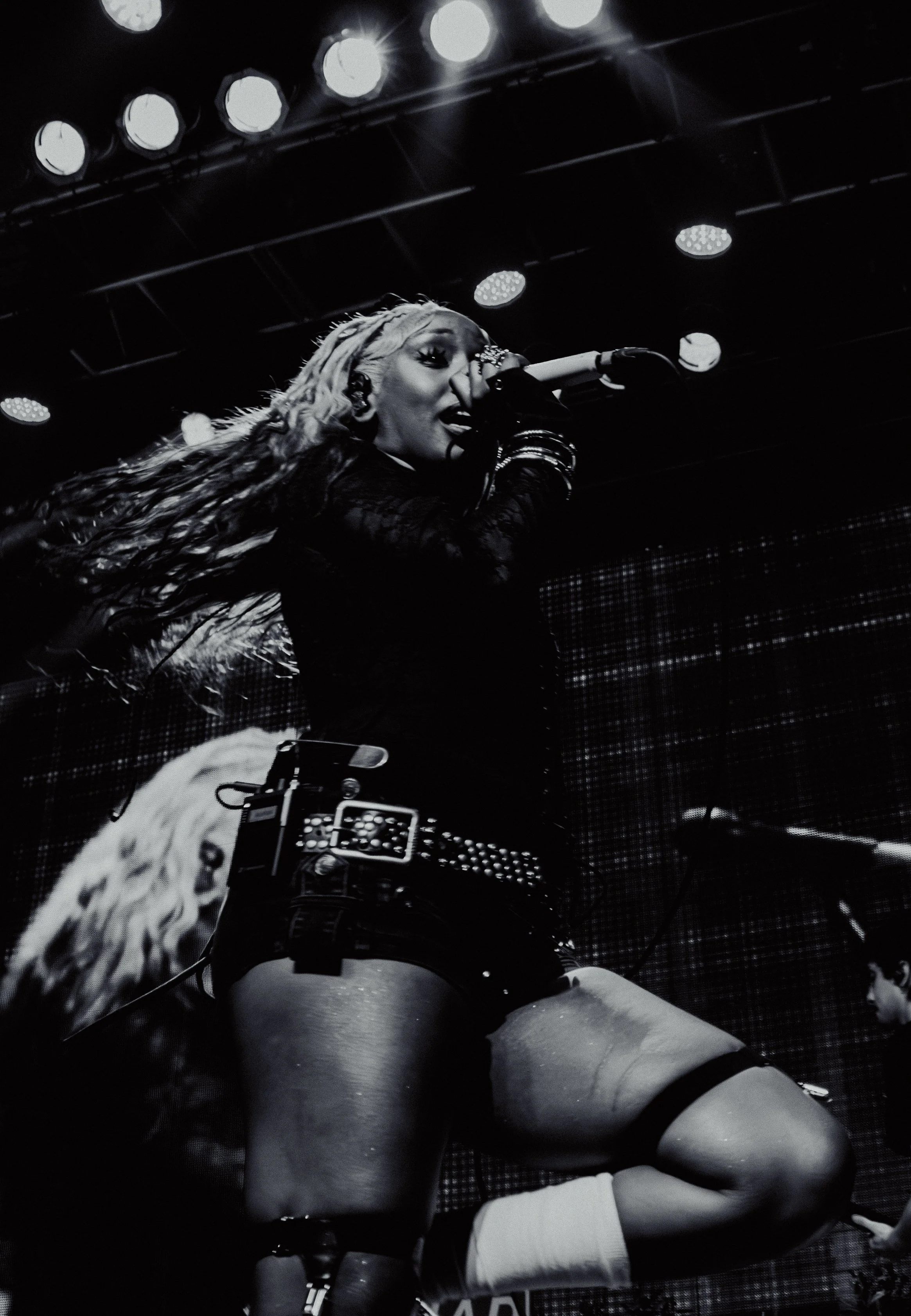
Her formal music education of artists that preceded her time began when she signed with her label, Top Dawg Entertainment (TDE) in 2024. As she mingled, people would mention artists to tap into, Lauren Hill for one example, and Alemeda would return home to listen on her own. She said that a benefit of discovering artists as an adult was that her perception wasn’t tainted by nostalgia. With fresh ears, she was truly able to discern what she liked and didn’t like without being influenced by a personal historic significance.
As Alemeda began to make music, there were a few habits she held that flowed right into her lyrics. As one example, Alemeda has never been a fan of a phone call. "Don't Call Me,” first released as a single in February 2024 and the second track from FK IT, captures that very message. During our chat, Alemeda put it simply, “It's gonna sound so basic, but I don't like being called.” She explained that the verses were based off of a friendship that was, “draining the life out of her,” so boundaries needed to be set. The catchy chorus emphasizes the message,
“Don't play nice, don't stop by, don't call me
And if you reach out, I won't make time, I won't be free
Don't play nice, don't stop by, don't call me
Know that I won't make time, I won't be free, yeah.”
Live, “Don’t Call Me” was fifth on the tracklist. As one of my favorites, I was glad to see the crowd enjoyed it as much as I did. Soft headbangs emerged and gradually gained traction, an ode to the melodic thump of the drums. With just a drummer and guitar player accompanying her, Alemeda’s voice shined without it being overshadowed.

While her earlier work is primarily focused on hater-energy, Alemeda said her more recent catalogue has become more emotionally mature with age, just like she has. There are undertones of pessimism, but she said the predominant emotion in her most recent EP But What the Hell Do I Know and the following singles is sadness. For one example, in her most recent August release with Fousheé titled “The World Keeps Spinning,” she focuses on a one-sided aftermath of a relationship.
While sadness ultimately prevails, the chorus points to one main message: keep going. Alemeda chants,
“It's like my world stopped, but you keep moving on /
Like you did nothing wrong, it's all gone now /
The sun still came up, still had to hold it down even if you're not around”
Alemeda told Pleaser thatFousheé had been on her collaboration dream list for a while, and releasing the single last month was special. Alemeda also collaborated with fellow TDE signee Doechii in 2025 with “Beat a B!tch Up.” After being signed around the same time, the two decided to collaborate. While many of her songs focus on friendship, this track seems to be dedicated to sticking by your significant other. I’m gonna leave the lyrics grab out for expletives sake, but if you need a track to scream in the car, this is for you.
While we didn’t hear “Beat a B!tch Up” live, Alemeda made up for it by playing two unreleased tracks that she promised would be out shortly. Whether you’re a dedicated hater, going through a friendship separation, or need a solid sing-along, Alemeda is your girl.