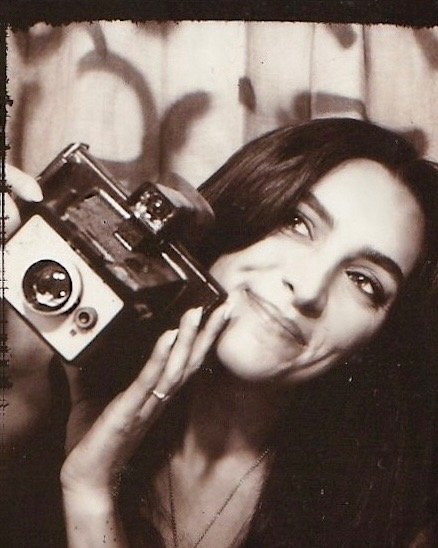
Madison Cunningham on her new album, ‘Ace’
Introduction by Lexi Yob. Interview by Haley Milnes and Lexi Yob.
When asked to describe her new album Ace, two words Madison Cunningham chose were both simple and complicated. After speaking with Cunningham and later attending her New York City show, those words couldn’t be more fitting. Ace is full of duality — proof that within simplicity, deeply profound moments can emerge. And the album’s title, a nod to the playing card that can be both the strongest and the weakest, captures duality in a single syllable. After a photo shoot in Central Park, Pleaser caught up with Cunningham to discuss album inspirations, her upcoming tour, and the perfect souffle.

PHOTO BY LEXI YOB
Pleaser: How would you say Ace is different from your past work? And if someone discovers you through this album, what do you want them to take away from it?
Madison Cunningham: I think this is the record I’d point people to first if they asked where to start with my music. It feels like the beginning of a new era or pathway. I’m proud of my previous records, but this one feels most aligned with who I am, both sonically and personally. It feels like me.Before Ace, when people asked what to listen to, I was often stumped. Now, I finally have an answer that feels like me.
Were there any albums or songs you listened to while making Ace?
MC: I shut off my ears to most current releases while writing, except for Light Verse by Iron & Wine. If you don’t know that record, it’s so special. I think it’s one of his best. Listening to it reminded me that the best musical decades can still be ahead of you if you really devote your life to it, and I think Sam Beam has done that in such a specific, intentional way. It’s all on his own terms.
Were there any songs on Ace that came together more easily—or ones that took longer to finish?
MC: Most of them came together within a couple of days, which is rare for me. The one that took the longest was “Beyond That Moon.” I started it in March and didn’t finish until September or October. The idea was more fully formed when the other songs began flowing, but it pieced itself together from their inspiration.
You’re heading on tour next year. What are you most looking forward to about being back on the road?
MC: I’m excited to approach touring differently this time — to make each show feel like a ballet from beginning to end. I want it to be experimental and intentional, and I’m looking forward to stretching myself creatively in that space.

PHOTO BY HALEY MILNES
If you could describe Ace in three words, what would they be?
MC: That’s hard, but I’d say ethereal, complicated and simple. It’s both. Some of the simplest lyrics and song forms I’ve ever written are on this record, but there’s also a lot of density surrounding them.
Are there any songs from Ace that evolved through live performance?
MC: “Beyond That Moon,” definitely. We were playing at this local record store called Healing Force of the Universe. It had just opened, and a friend was running it. We’d play there once a month and tried out some of the songs before recording. Initially, that song felt too sentimental and rocky, and it didn’t sit right. I moved it to piano, then back to guitar, and eventually it took on a more orchestral approach from a guitar standpoint.
When you’re not making music, how do you spend your time?
MC: Lately I’ve been riding my bike a lot and getting into running. I’ve also been really into baking.
Any go-to recipes?
MC: I’m trying to master the soufflé. t’s tricky and all about timing and the perfect oven temperature. That, and lemon bars. I’ve been really into those lately.
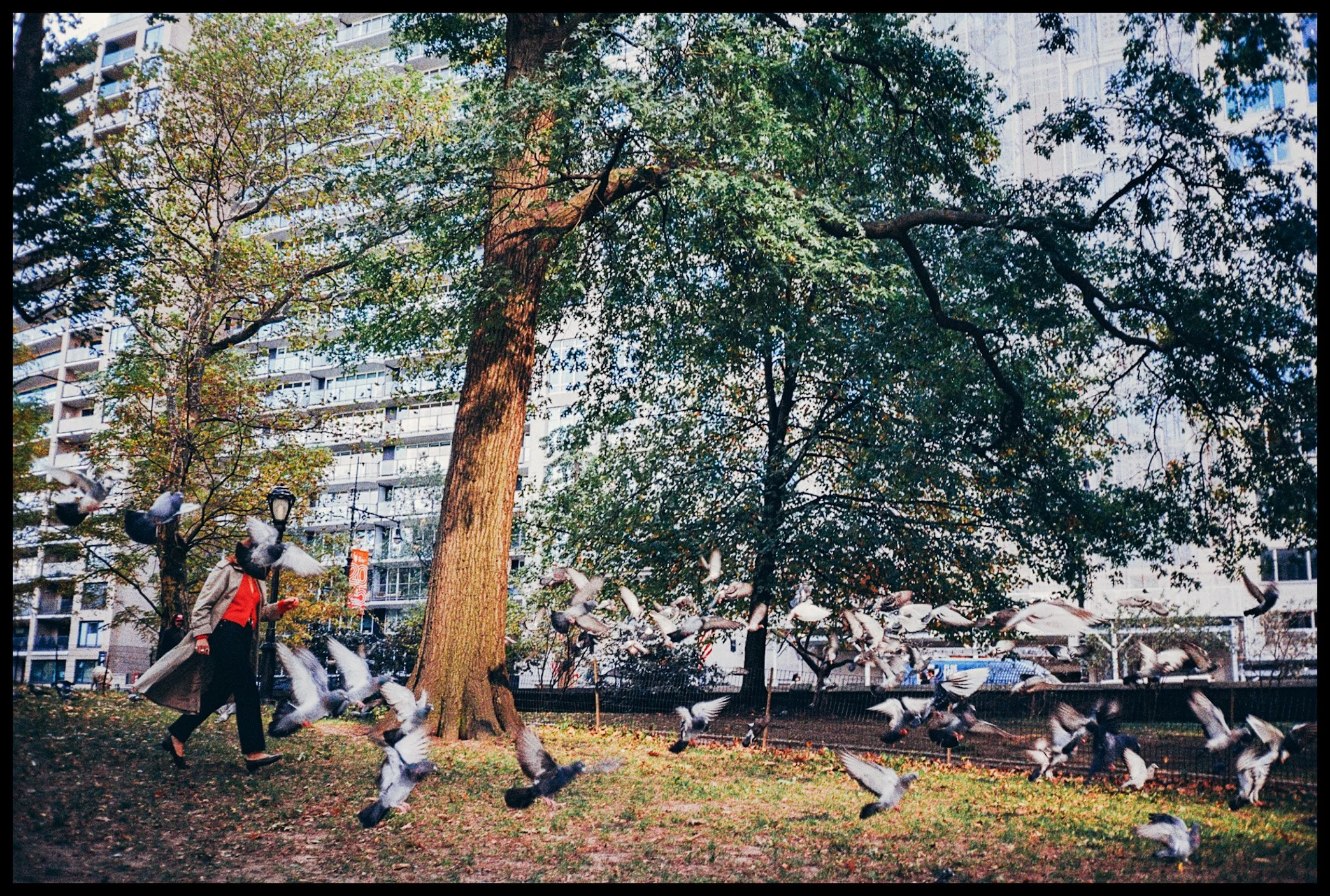
PHOTO BY LEXI YOB
If you could play a surprise show anywhere, where would it be?
MC: Not a traditional venue, but Notre Dame.
One more Ace question—why that title?
MC: It started because I just liked the word. It’s shapely, and I love one-syllable titles, they feel powerful. I’d had “Ace” on an album title list for years, and it felt like it made sense with this body of work.
I didn’t fully draw the symbolic connection until my friend Robbie pointed it out: in a deck of cards, the ace can be the strongest or the weakest depending on the game. I loved that duality. I’ve also linked it to being the oldest child — you’re expected to do everything first, and in some ways, you’re designed to fail too. A lot of the record’s themes tie into that idea.